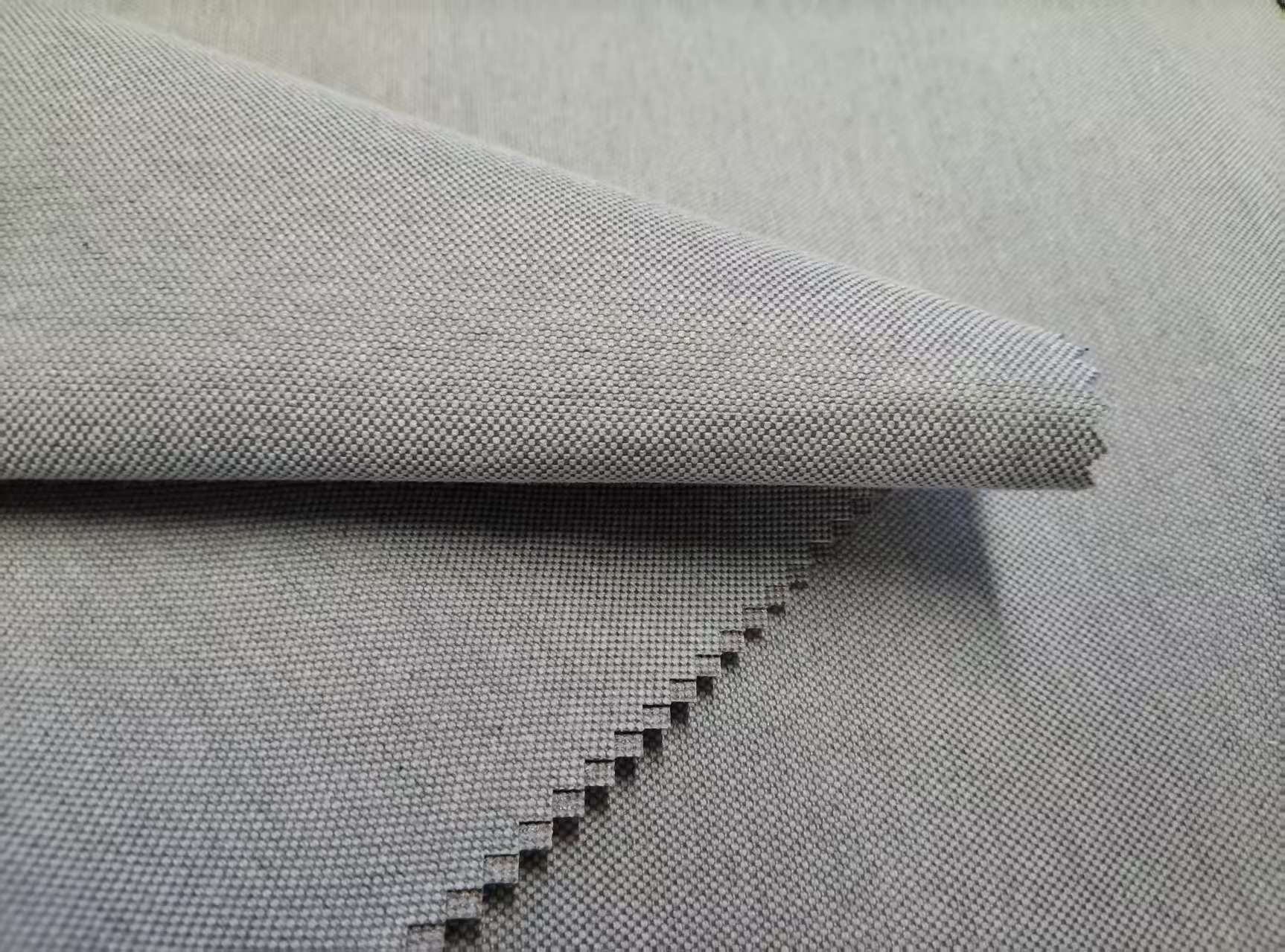
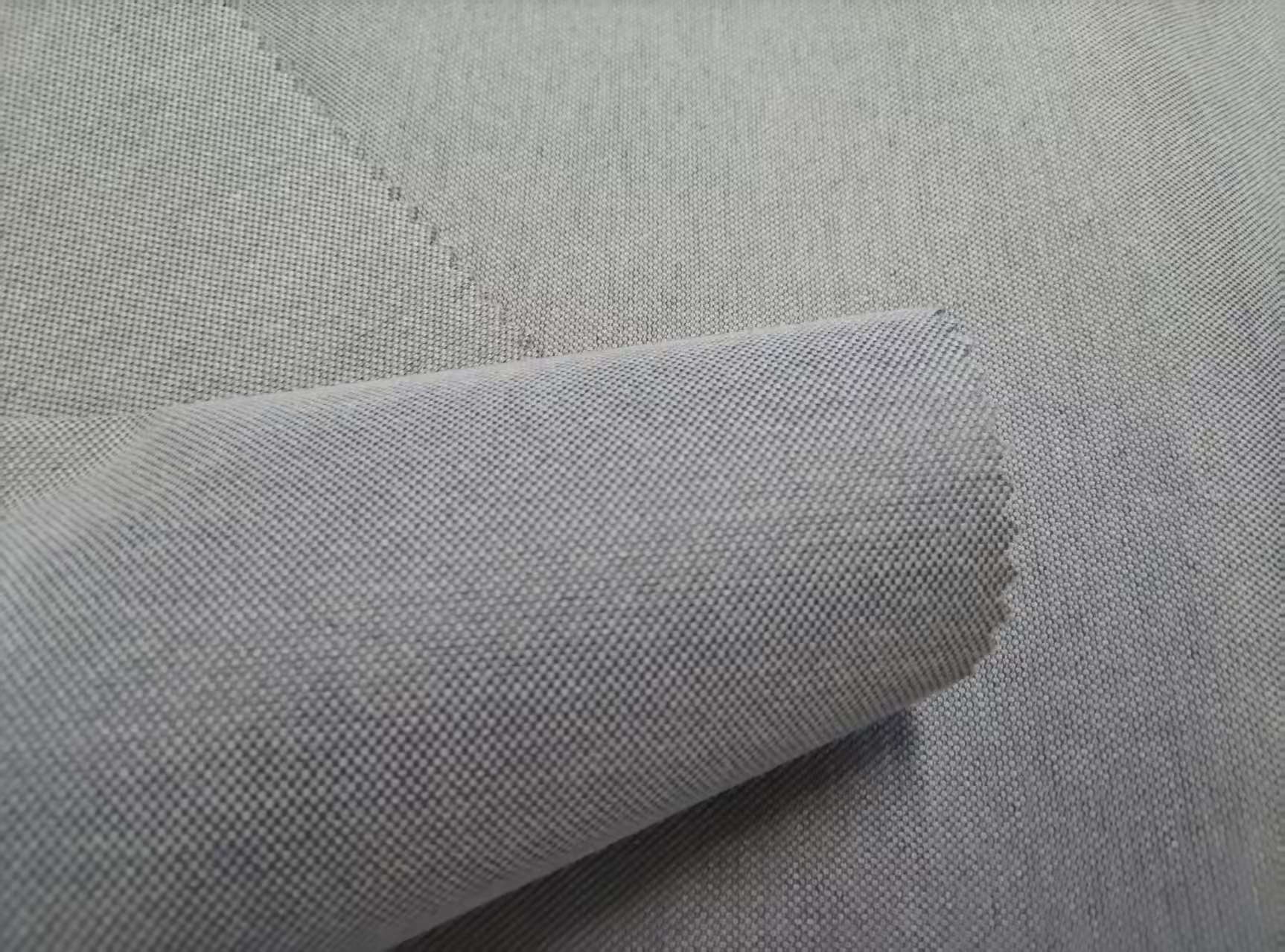
Item No:YW-DX-2504094
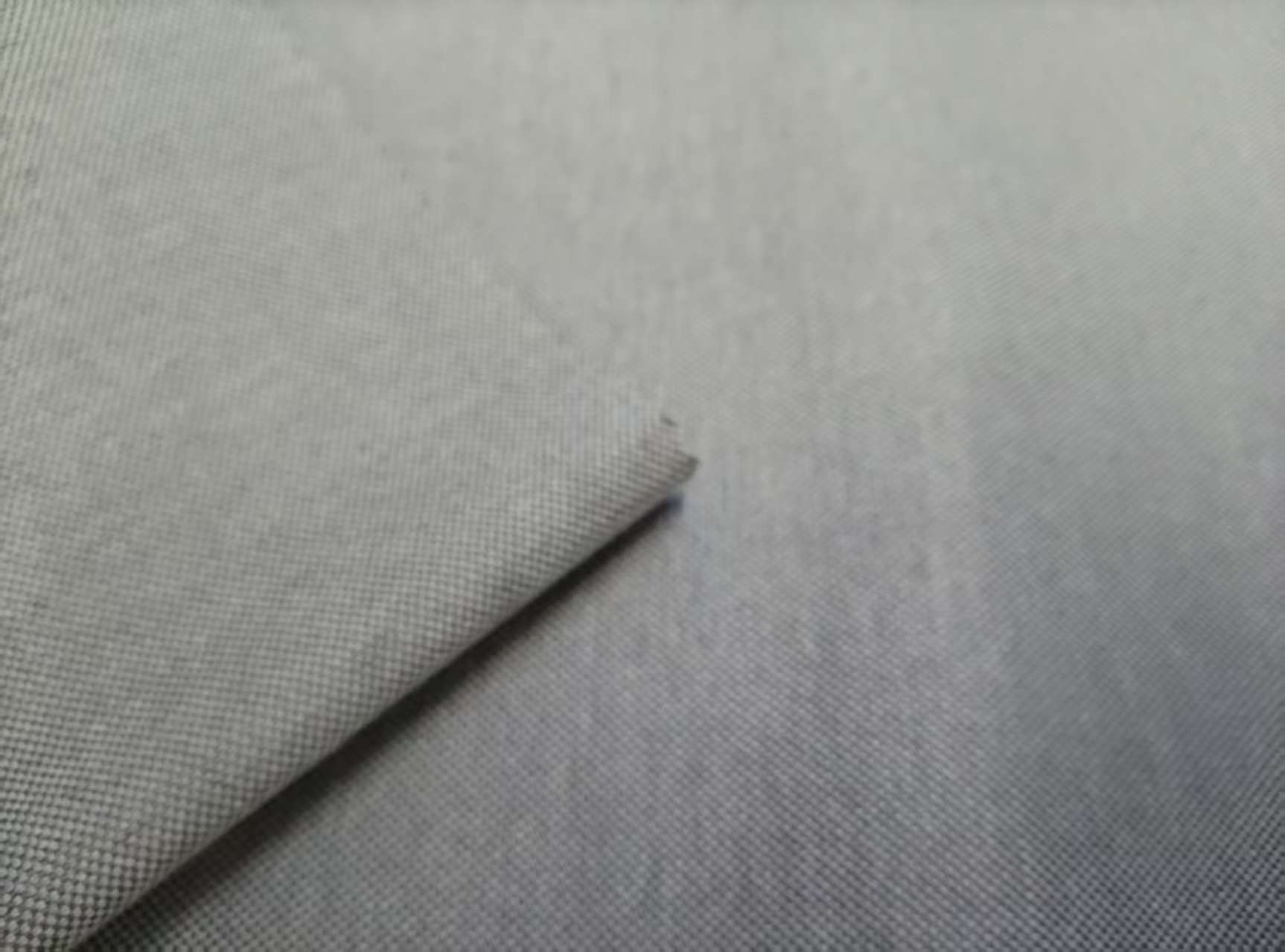
Product name:80/20 plain weave single dyeing
Component: 80% recycled PET polyester 20% BCI cotton
Spec: 600D*600D/72T
Width: 148/cm
Weight:292/g/m2
Finishing: Dyeing and setting + PU2
Use:bags,backpacks,suitcase
The 80/20 plain weave single dyeing refers to a textile construction and dyeing technique characterized by its fabric structure and color application method. Here’s a detailed breakdown:
Applications and Benefits
Common Uses:
▪Apparel: T-shirts, blouses, skirts, and other garments requiring a simple, solid color.
▪Home Textiles: Bed sheets, curtains, tablecloths, or decorative fabrics.
▪Industrial: Packaging materials, linings, or base fabrics for further processing (e.g., printing, coating).
Advantages:
▪ Simplicity: Ideal for minimalist designs or as a base for subsequent treatments (e.g., embroidery, screen printing).
▪ Cost-Effective: Single dyeing is often more economical than multi-color or reactive dyeing processes.
▪ Consistency: Uniform color ensures reliability in large-scale production runs.
Limitations & Considerations
• Limited Stretch: Plain weave lacks elasticity, making it less suitable for form-fitting apparel unless blended with spandex.
• Design Simplicity: Single dyeing may limit creativity for projects requiring multi-color or gradient effects.
• Fiber-Specific Care: Natural fibers (cotton, linen) may require gentle washing to prevent shrinkage, while synthetics are more durable but less breathable.
Care & Maintenance
• Washing: Machine wash cold with similar colors; use mild detergent to preserve colorfastness.
• Drying: Tumble dry low or air dry to minimize shrinkage (especially for cotton-dominant blends).
• Ironing: Iron on medium heat if needed, as synthetic fibers may melt at high temperatures.
Considerations
•The specific fiber blend (e.g., cotton-polyester, linen-rayon) influences the fabric’s feel, durability, and dye absorption.
•Dye types (e.g., reactive, direct, or acid dyes) may vary based on the fiber content to ensure colorfastness and vibrancy.
•For eco-friendly applications, manufacturers may use low-impact or organic dyes.
In summary, 80/20 plain weave single dyeing offers a versatile, cost-effective fabric solution with a clean, solid appearance, suitable for a wide range of textile applications where simplicity and uniformity are prioritized.
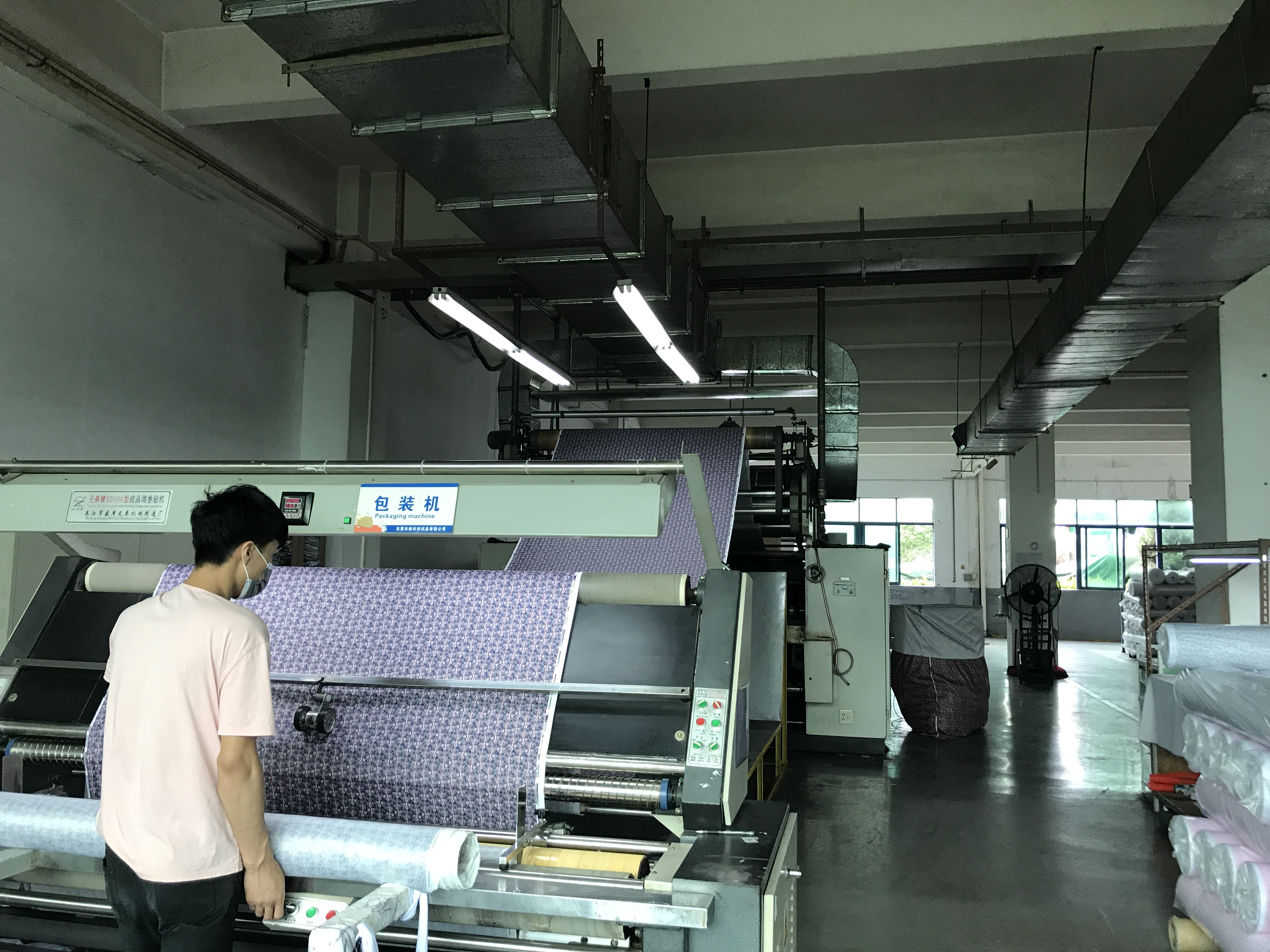
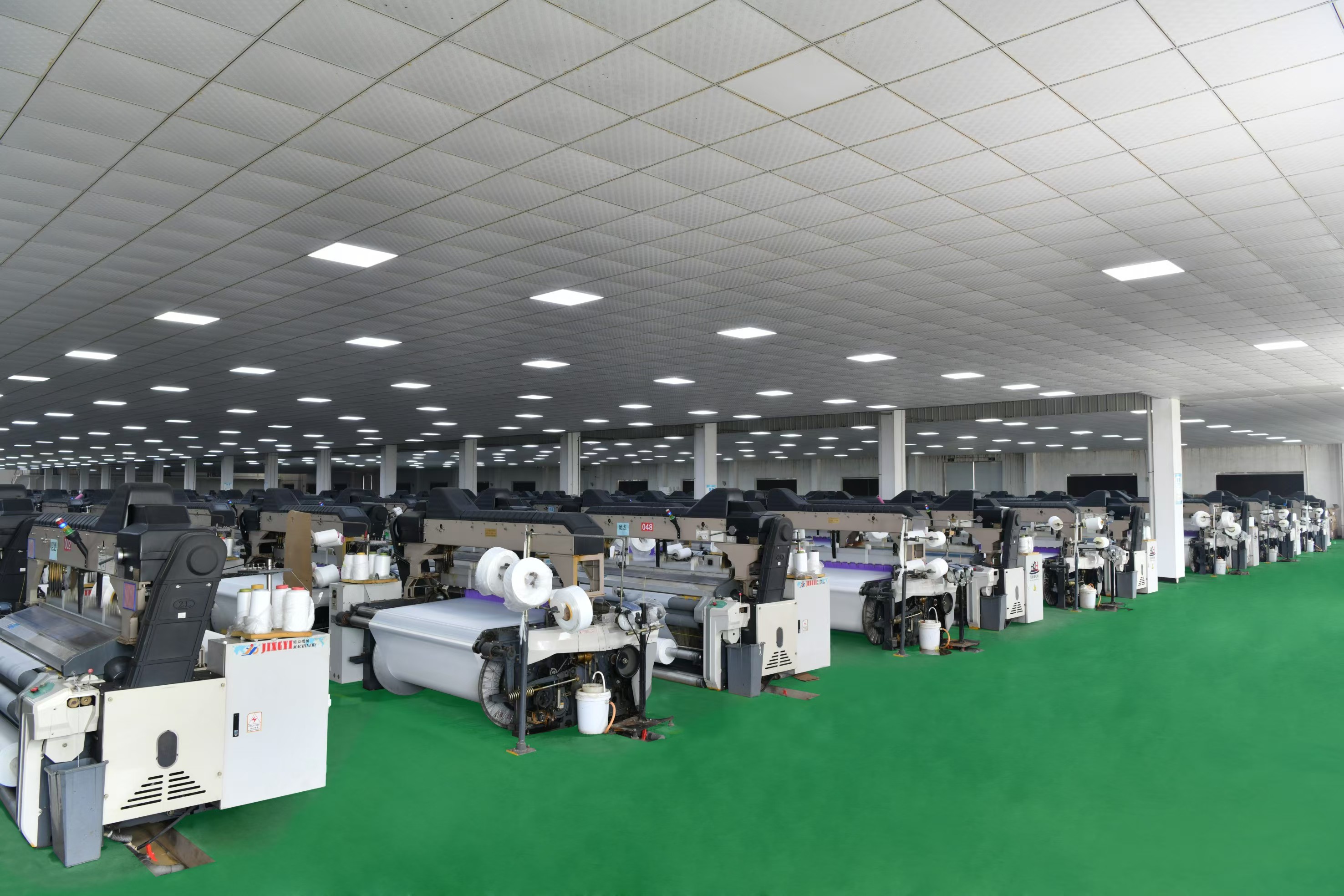
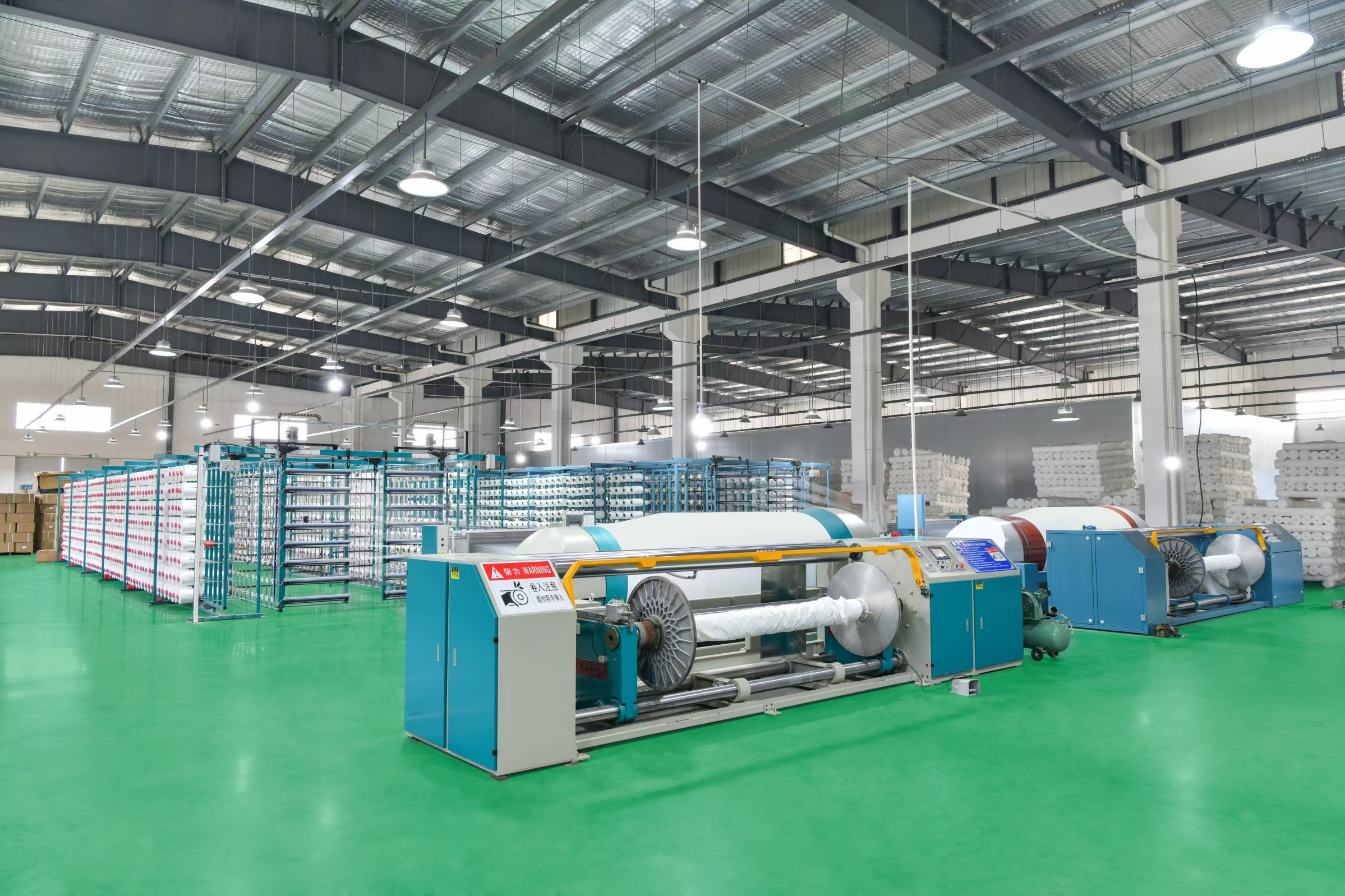
Fabric production process from weaving to printing are done by our own factories.
Product details


 简体中文
简体中文