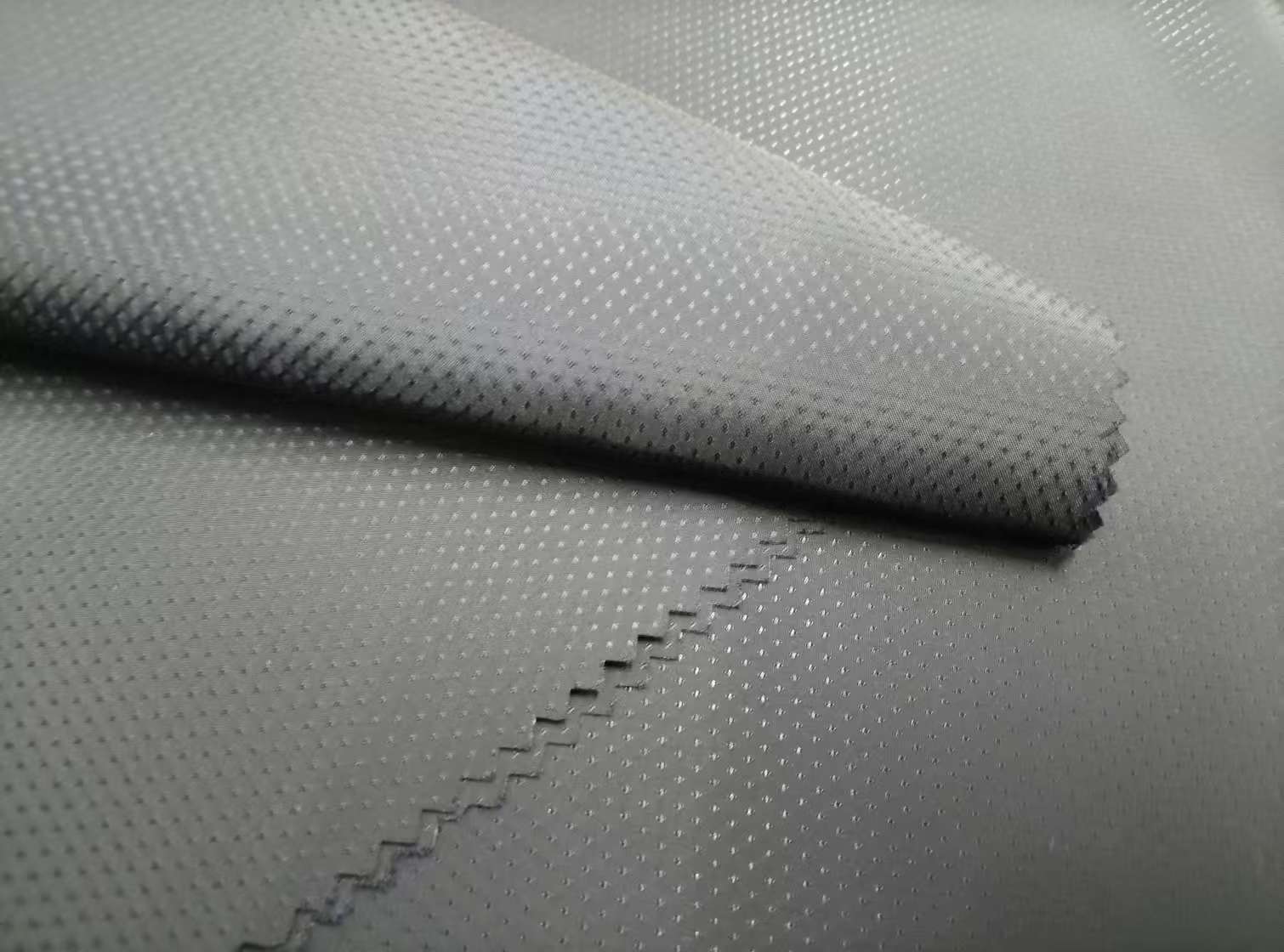
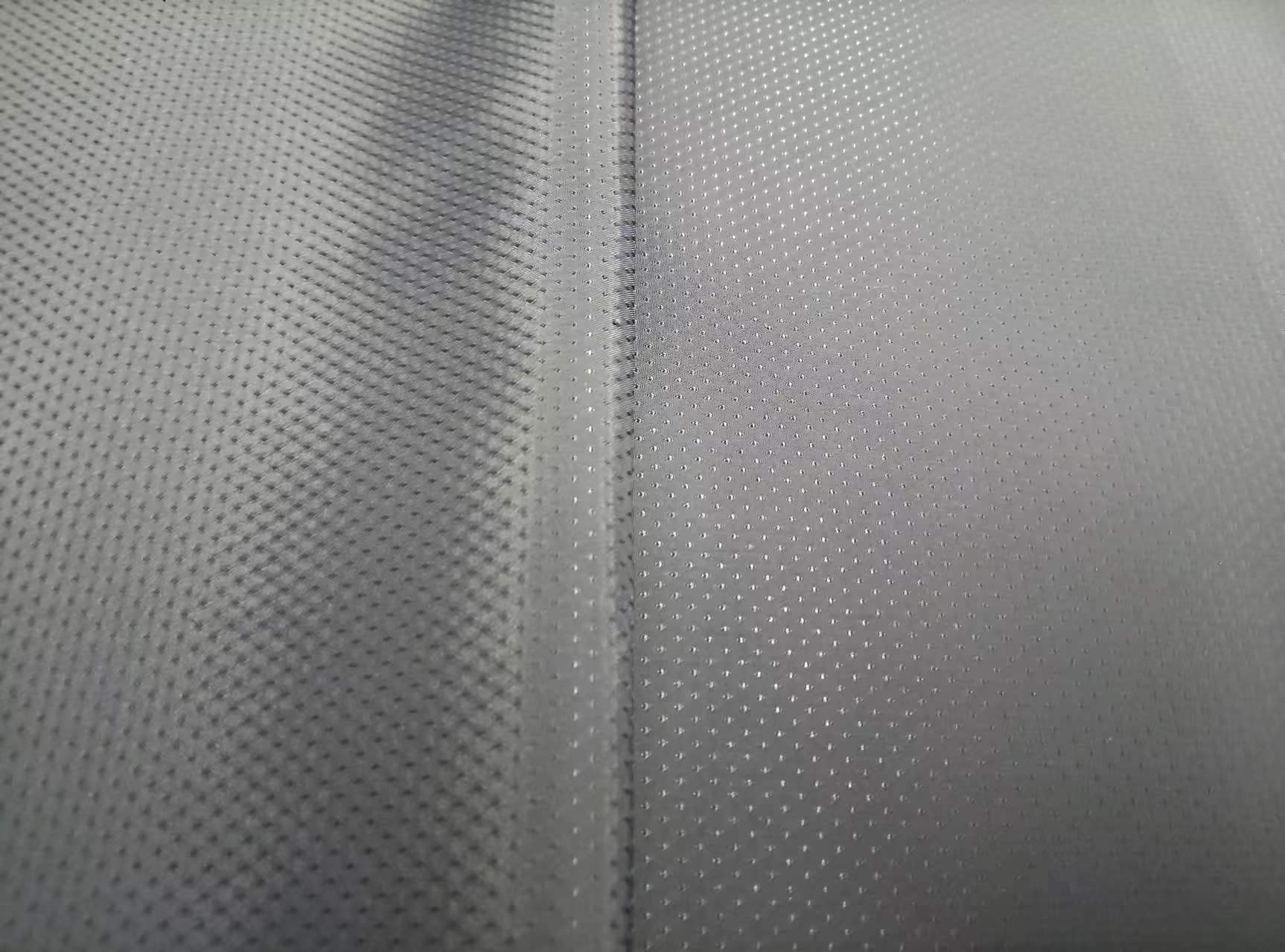
Item No:YW-JF-202411116
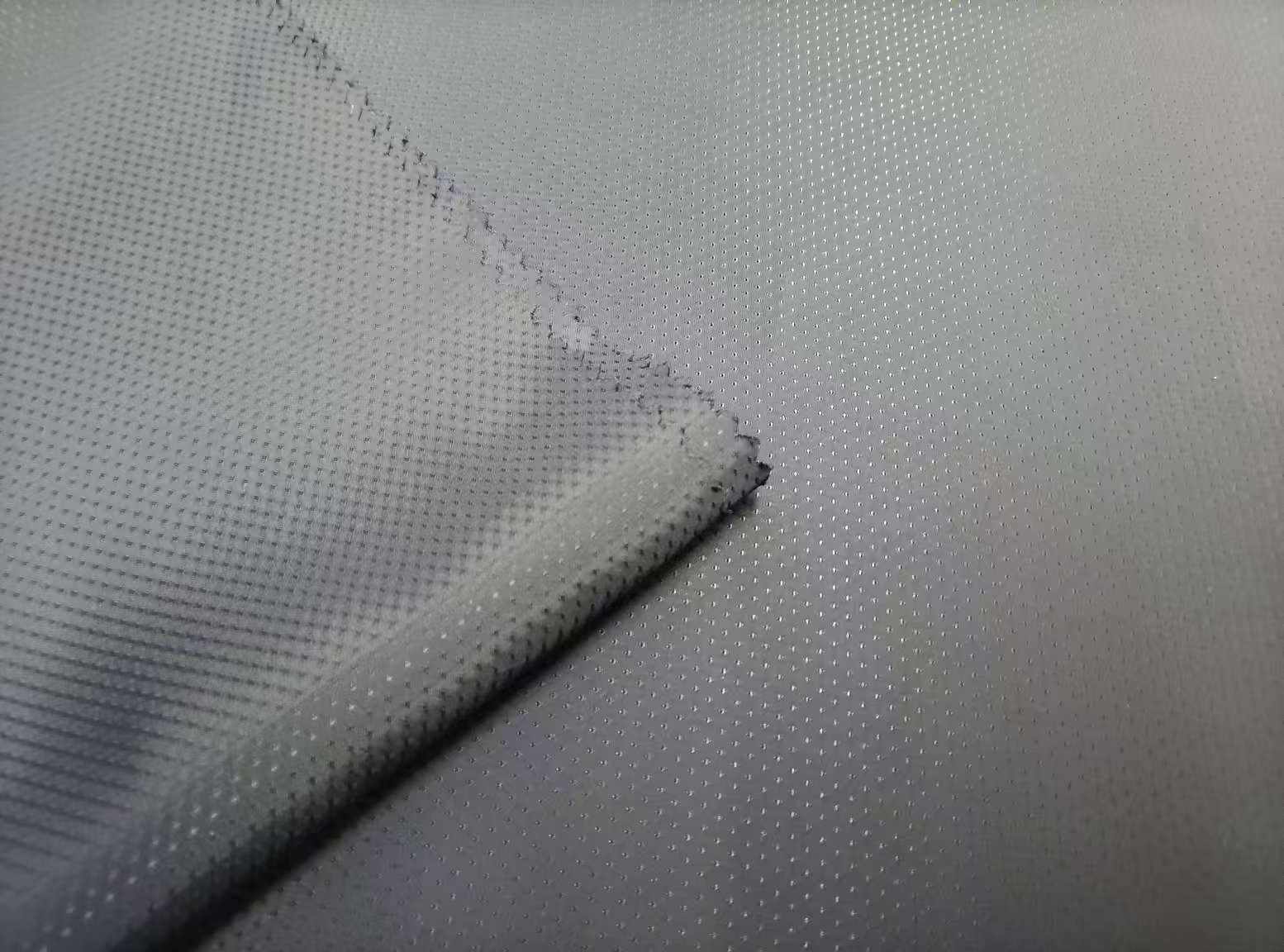
Product name:Biodegradable Gypsophila
Component: 100% polyester
Spec: 50D/24F*50D/24F
Width: 150/cm
Weight:63/g/m2
Finishing: solid dyed+waterproof
Use:clothes,sportswear
Definition and Composition
Biodegradable Gypsophila refers to the variety of Gypsophila, commonly known as baby's breath, that has the remarkable property of being able to break down naturally in the environment. It is typically made from organic materials or treated with biodegradable substances in a way that enables it to decompose over time through the action of microorganisms like bacteria, fungi, and other natural agents present in the soil or water.
Environmental Benefits
• Reduction of Waste: Traditional Gypsophila used in floral arrangements, for example, often ends up in landfills where it takes a long time to decompose or may not decompose at all. In contrast, biodegradable Gypsophila can break down relatively quickly, reducing the amount of waste that accumulates and putting less strain on landfill space.
• Eco-friendly Disposal: When discarded, it doesn't leave behind harmful residues or pollutants as it transforms into natural elements like carbon dioxide, water, and organic matter that can be integrated back into the ecosystem. This makes it a much more sustainable option compared to non-biodegradable counterparts, especially considering the large quantities of cut flowers used in various occasions such as weddings, parties, and flower shops.
Applications
• Floral Arrangements: It is widely used in the floral industry. Florists can create beautiful bouquets and centerpieces with biodegradable Gypsophila just like they do with the regular ones. The only difference is that at the end of their display life, these arrangements can be disposed of in a more environmentally friendly manner. For example, they can be composted instead of being thrown away.
• Event Decorations: In events like weddings, birthdays, or corporate functions, biodegradable Gypsophila can play a significant role in decorating the venue. It adds an elegant and delicate touch to the overall ambiance while also aligning with the growing trend of sustainable event planning. After the event, the used Gypsophila can be easily managed in an eco-friendly way without causing a negative impact on the environment.
Cultivation and Production
• Growing Process: The cultivation of biodegradable Gypsophila usually follows similar agricultural practices as traditional ones. However, efforts may be made to use organic fertilizers and pest control methods to ensure that the entire production cycle remains as environmentally friendly as possible. This helps to maintain the biodegradable nature of the final product from the very beginning of its growth.
• Processing: Special treatments or coatings might be applied during the processing stage to enhance its biodegradability or to preserve its freshness and appearance for a longer time while still allowing it to decompose readily once it's no longer in use.
In conclusion, biodegradable Gypsophila is not only a charming and decorative element but also a great example of how we can make traditional products more sustainable by incorporating biodegradable features. It meets our aesthetic needs while also helping to protect our planet and reduce the environmental footprint of our daily activities related to floral use.
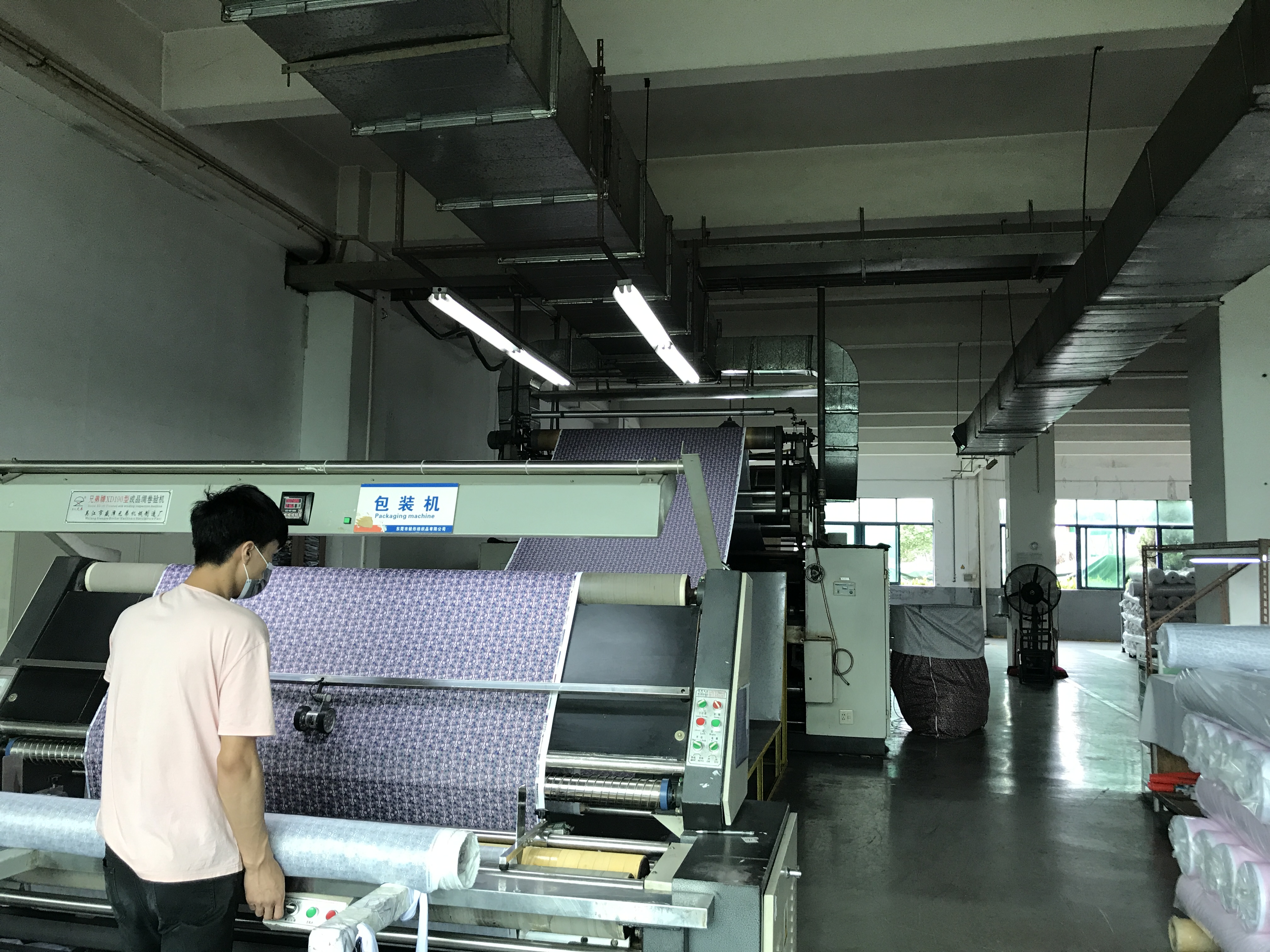
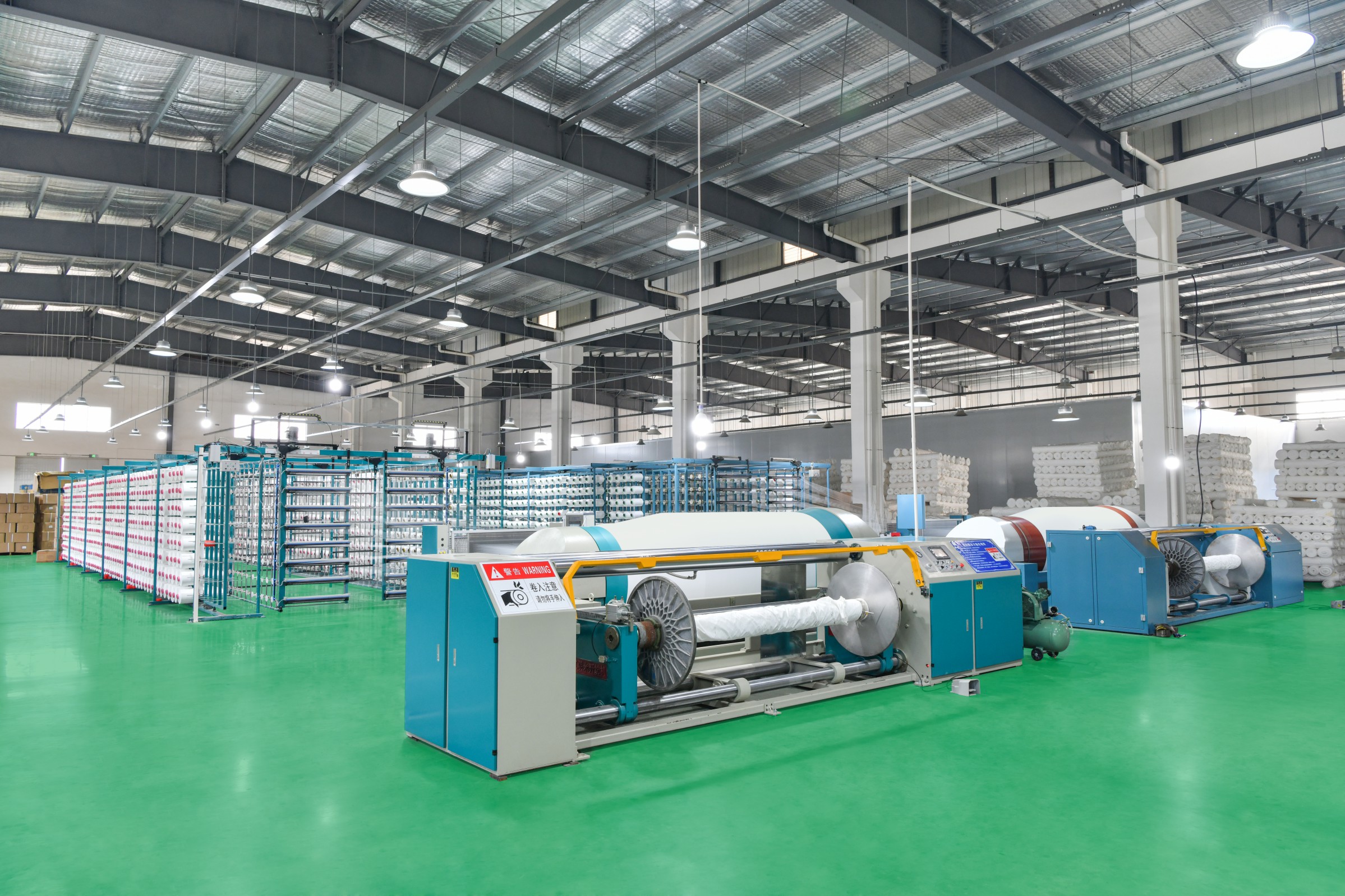
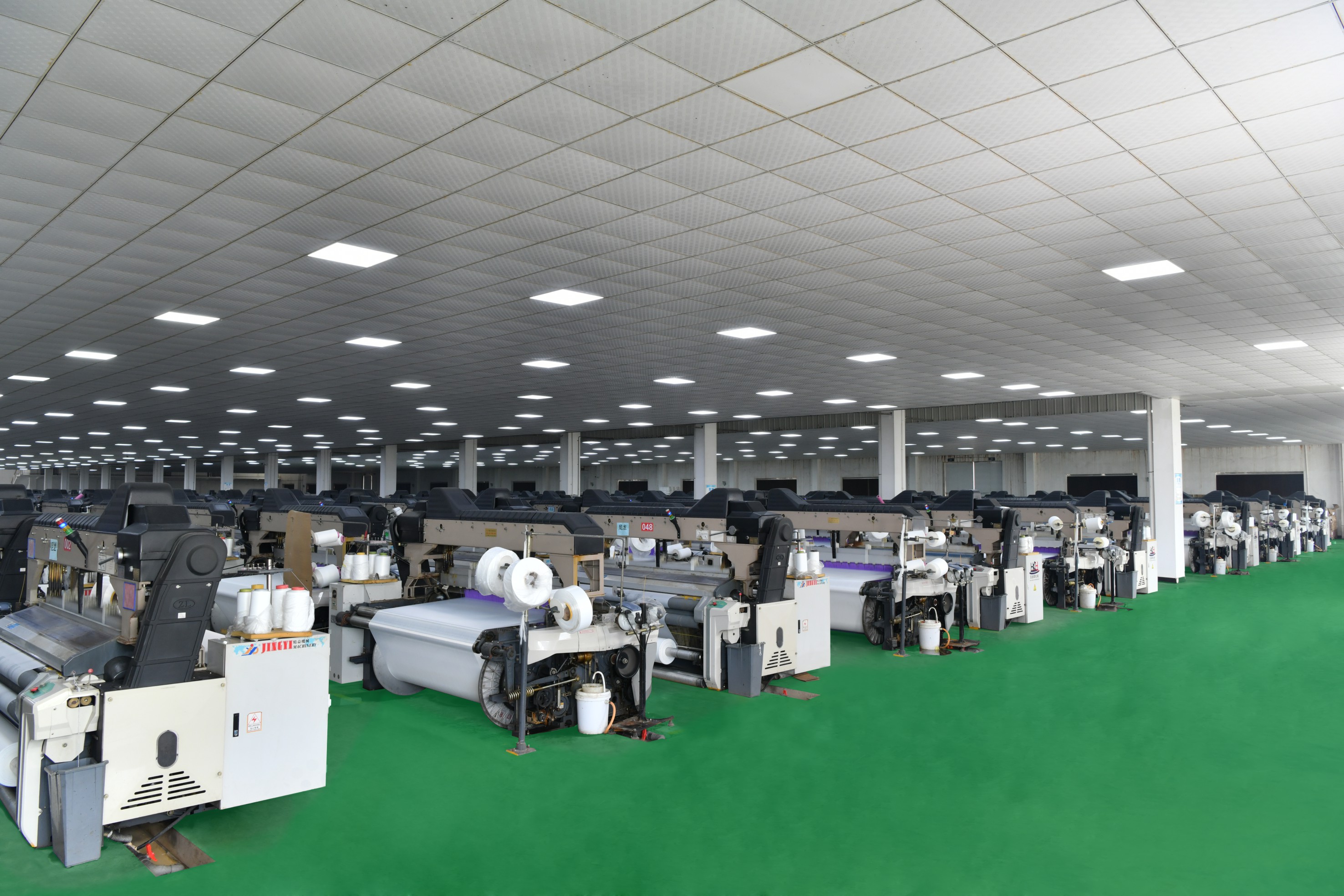
Fabric production process from weaving to printing are done by our own factories.
Product details


 简体中文
简体中文