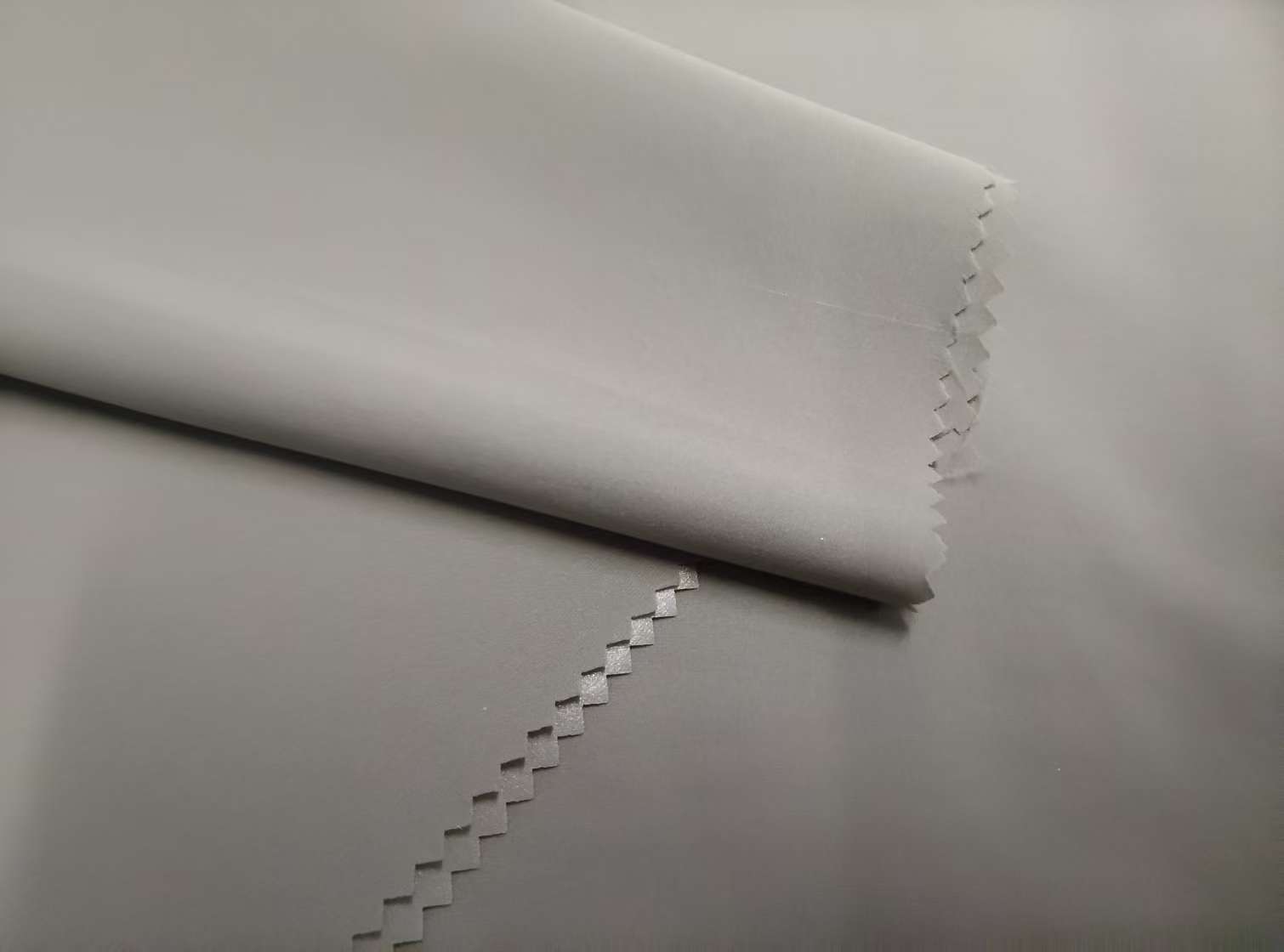
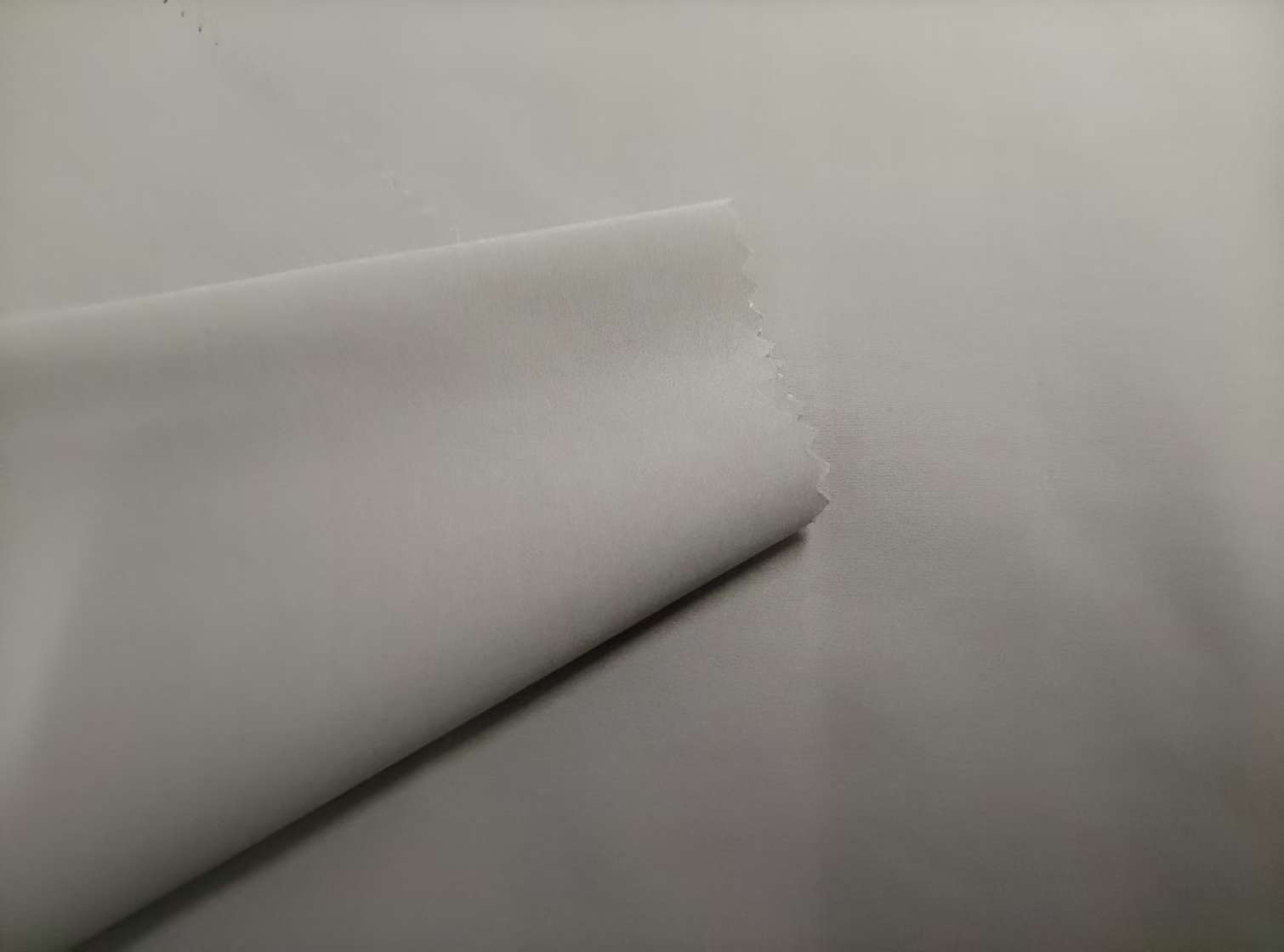
Item No:YW-JF-2501031
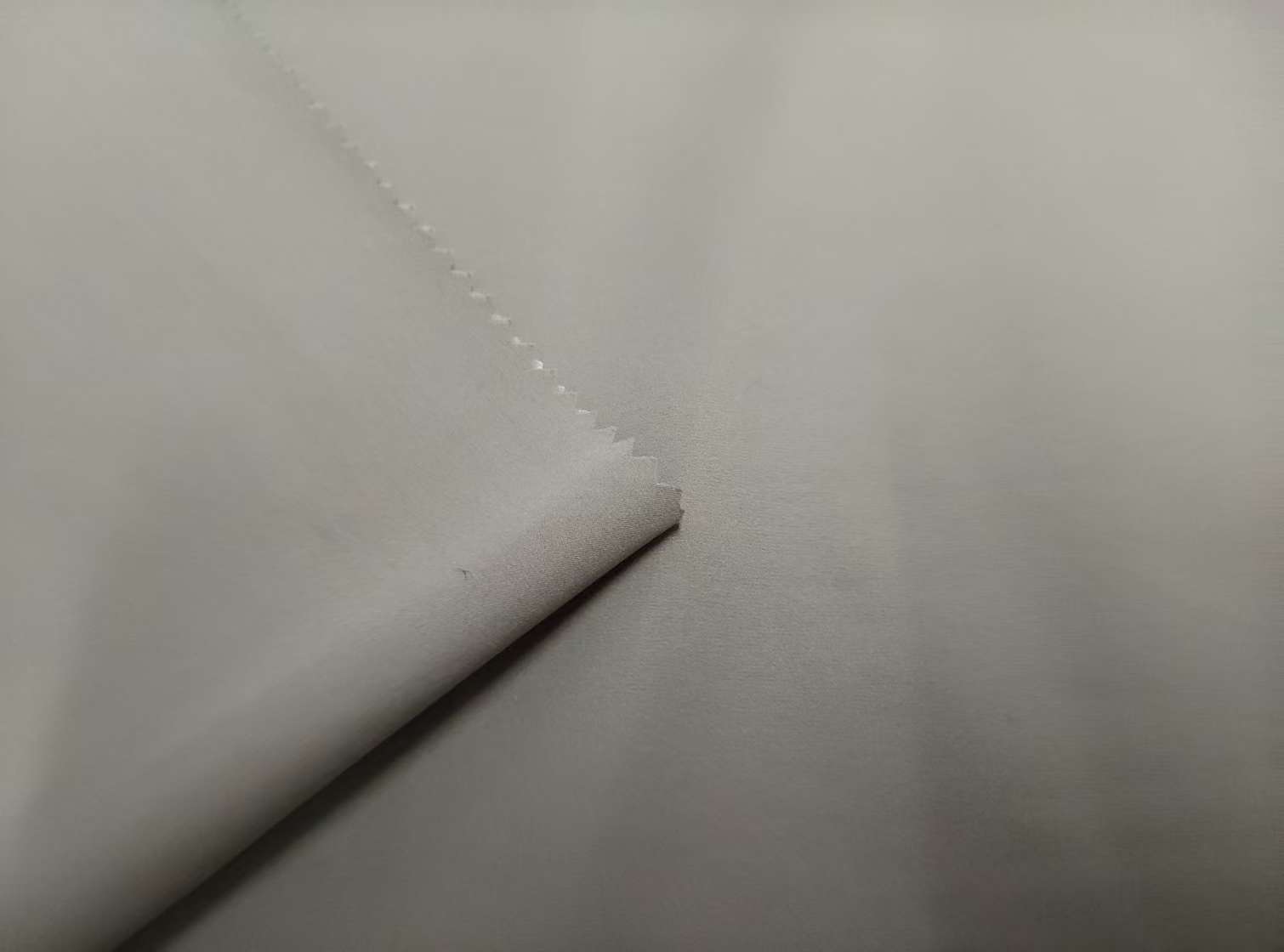
Product name:Cotton like Soft and Elastic
Component: 100% polyester
Spec: 20D*20D
Width: 147/cm
Weight:58/g/m2
Finishing: Dyeing+waterproof+TPU
Use:clothes,sportswear
1. The Concept of “Cotton - like”
The term “cotton - like” is used to describe a material that mimics the desirable characteristics of cotton. Cotton is renowned for its softness, comfort, and breathability. A cotton - like material aims to provide a similar tactile experience and functionality.
2. Softness
Softness is a key feature of this fabric. It feels gentle against the skin, much like the soft touch of cotton. This softness is achieved through a combination of factors. The fiber structure and the finishing processes play a crucial role.
• Fiber Structure: The fibers used in the fabric are often designed to have a fine and smooth texture. They are carefully selected and processed to ensure that they do not cause any irritation or discomfort when in contact with the skin. For example, some synthetic fibers are engineered to have a similar diameter and surface smoothness as cotton fibers.
• Finishing Processes: Special fabric - finishing techniques are applied to enhance the softness. These may include processes like brushing, which raises the fibers on the surface of the fabric, creating a plush and soft feel. Another technique is the use of softening agents that are applied during the manufacturing process. These agents penetrate the fiber structure and modify the surface properties to make the fabric feel softer.
3. Elasticity
The elastic property of this fabric sets it apart from traditional cotton. While cotton has limited stretchability, the cotton - like soft and elastic fabric offers a significant amount of elasticity.
• Stretch and Recovery: The fabric can stretch in response to applied force and then return to its original shape. This is due to the presence of elastic fibers, such as spandex or elastane, blended with other base fibers. The elastic fibers are incorporated in a way that allows the fabric to stretch both in the warp and weft directions. For example, in clothing applications, this elasticity enables the garment to fit snugly around the body without feeling constrictive. It also provides freedom of movement, making it suitable for activewear or clothing that requires a close fit.
• Durability of Elasticity: The elastic property is designed to be durable. The fabric can withstand repeated stretching and recovery cycles without losing its elasticity. This is achieved through high - quality elastic fibers and proper manufacturing techniques. The elastic components are carefully integrated into the fabric structure to ensure that they maintain their integrity over time.
4. Applications
The cotton - like soft and elastic fabric has a wide range of applications.
• Apparel: In the fashion industry, it is used to make a variety of clothing items. It is ideal for making T - shirts, leggings, underwear, and sportswear. The softness provides comfort, and the elasticity ensures a flattering fit. For example, leggings made from this fabric can hug the body contours while allowing for a full range of motion during exercise.
• Home Textiles: It is also used in home textiles such as bedding and upholstery. In bedding, the soft and elastic fabric can be used for pillowcases and fitted sheets. The elasticity allows the fitted sheet to stay in place on the mattress, and the softness provides a cozy sleeping environment. In upholstery, it can be used for furniture covers to provide a comfortable seating experience.
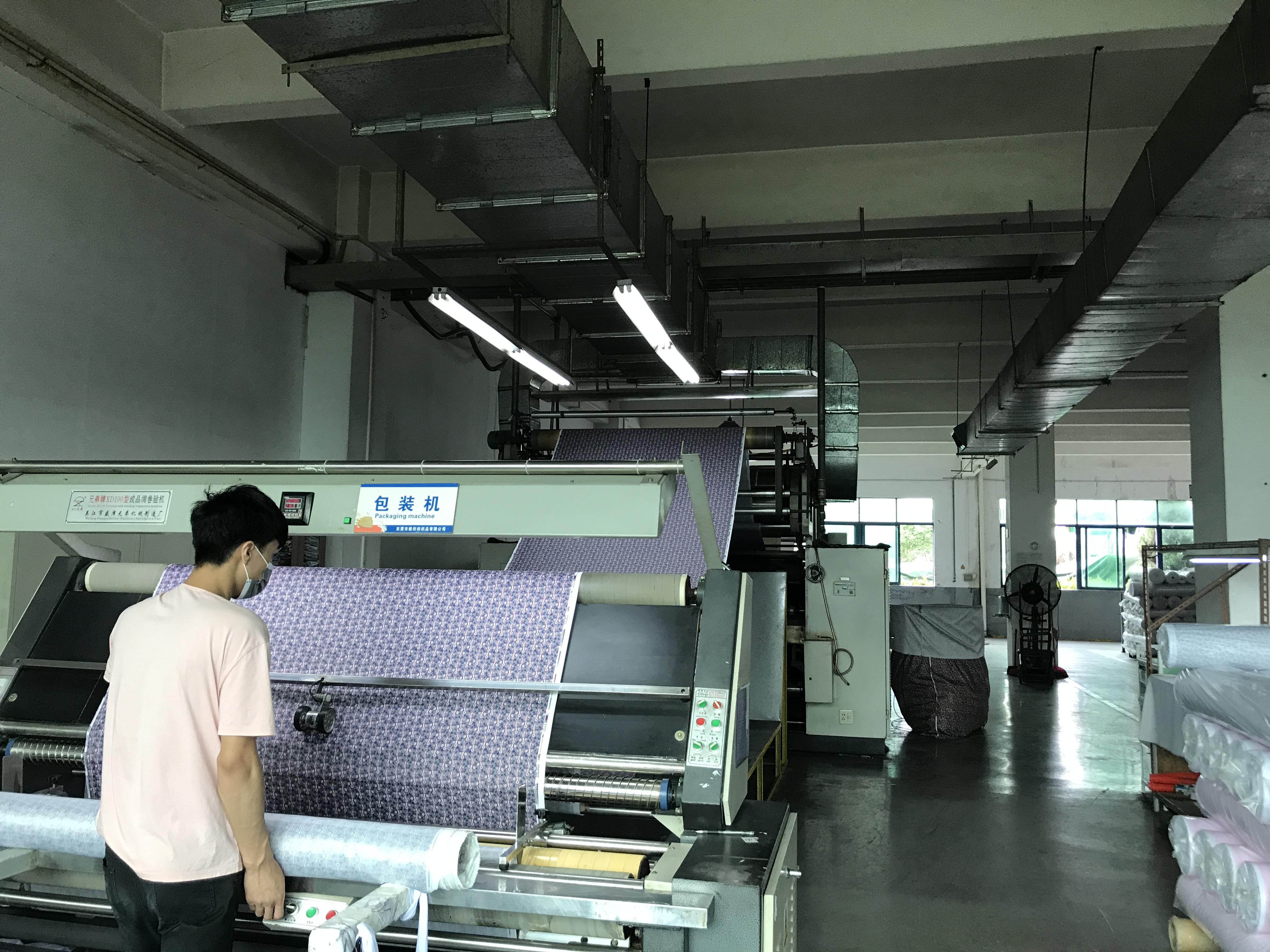
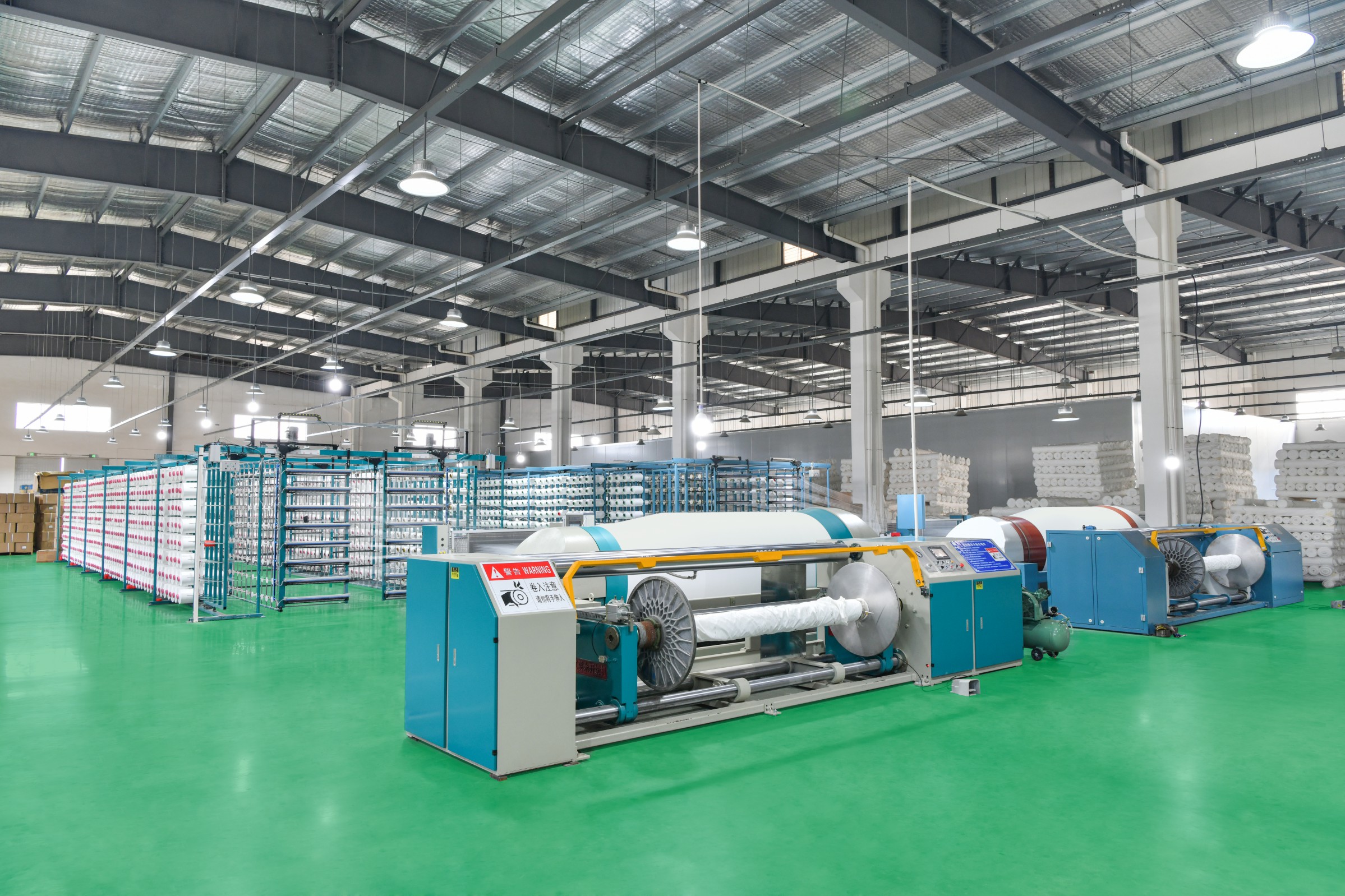
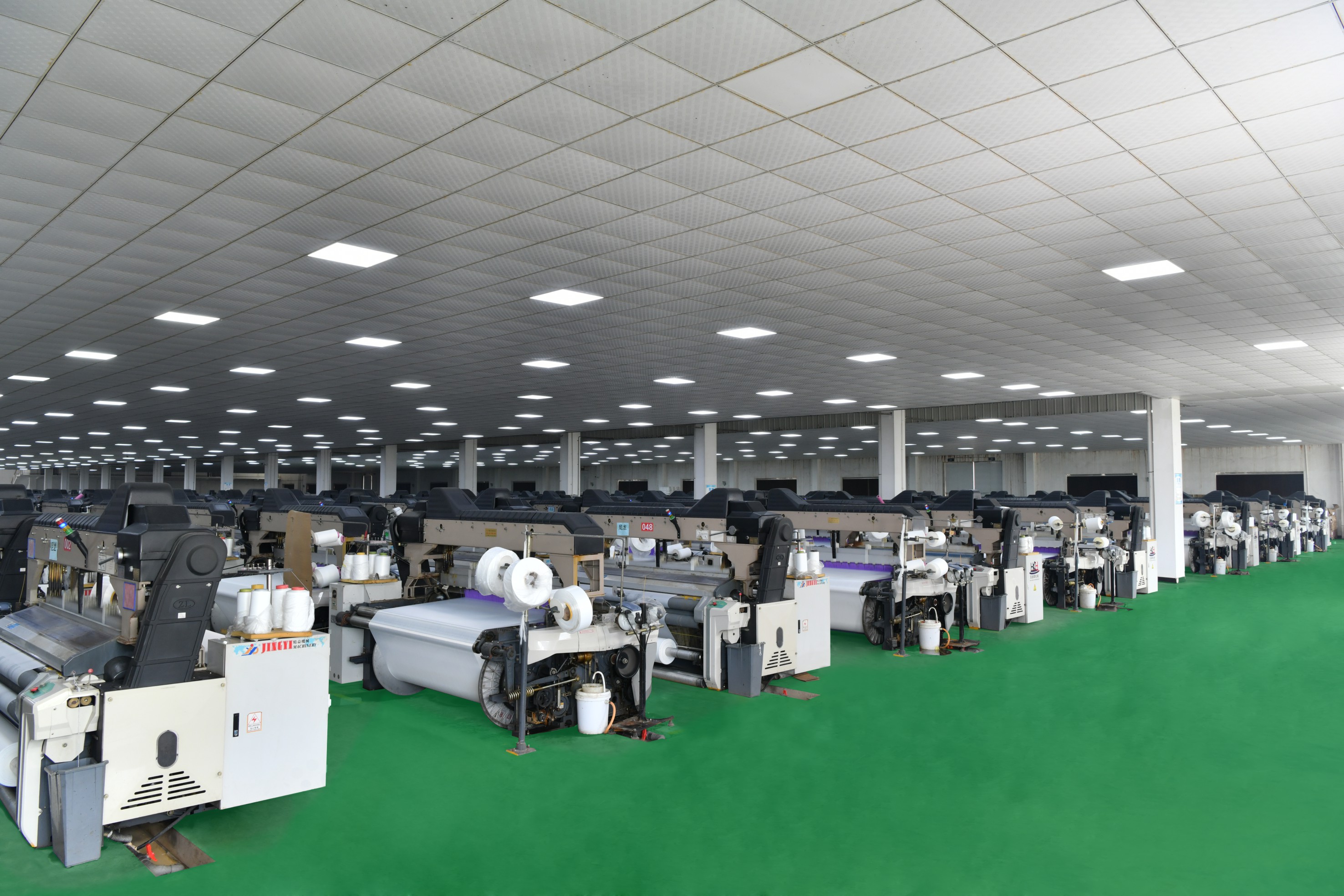
Fabric production process from weaving to printing are done by our own factories.
Product details


 简体中文
简体中文


