Item No:YW-DX-202410035
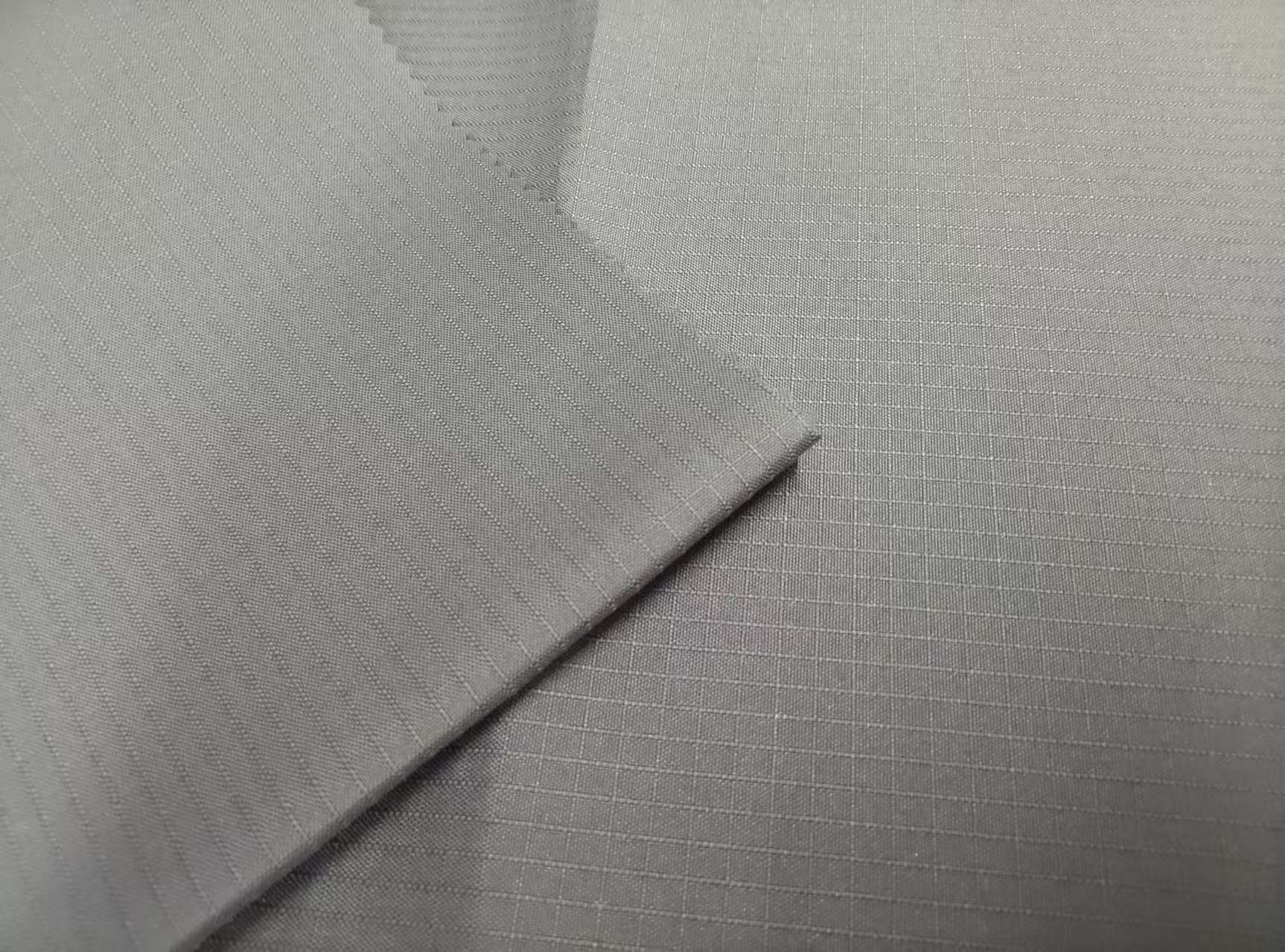
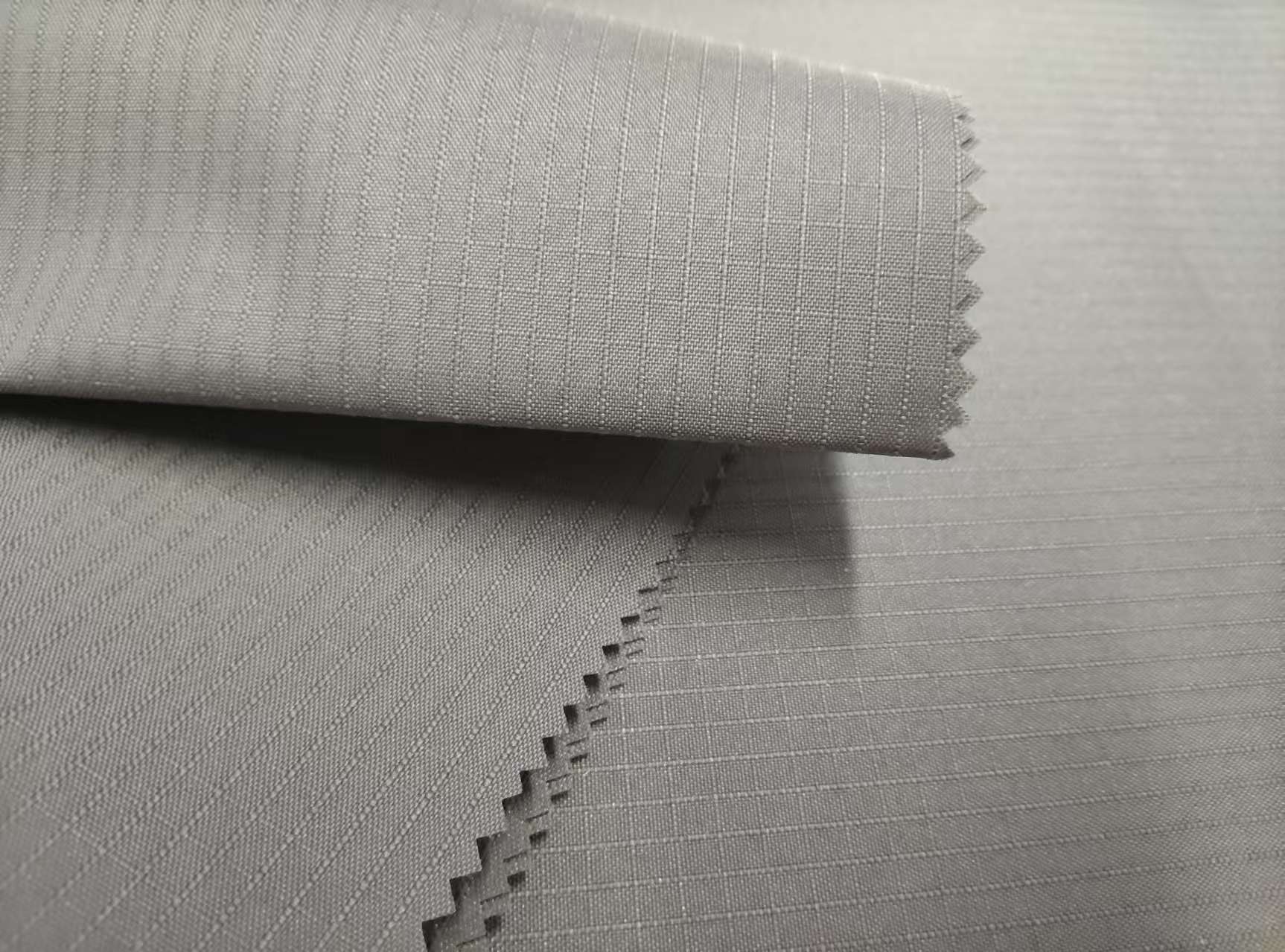
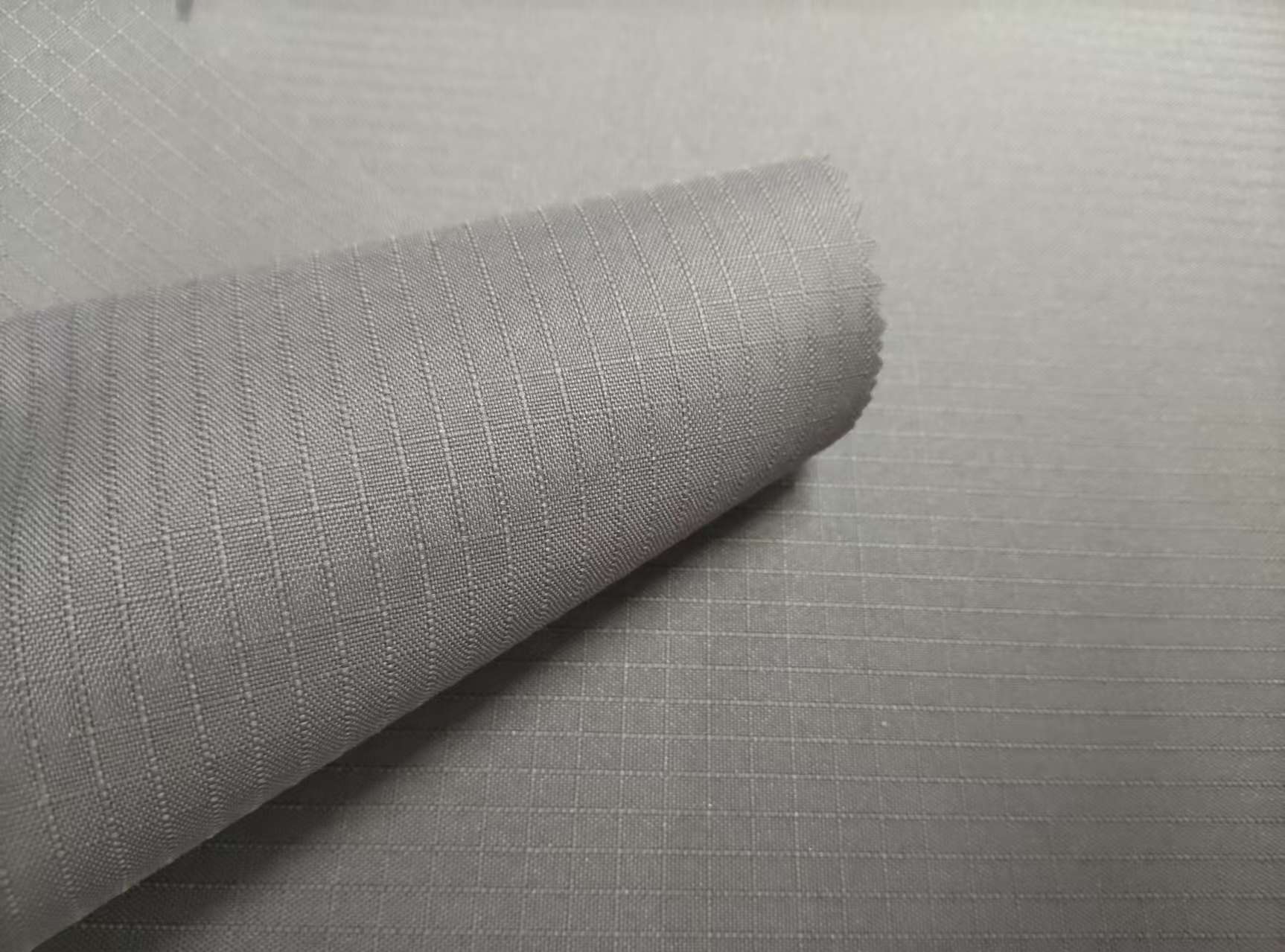
Product name:RPET150D DTY ripstop polyester
Component: 100% polyester
Spec: 150D*150D
Width: 148/cm
Weight:134/g/m2
Finishing: PU2 + CO waterproof
Use:bags,backpacks,suitcase
1. Definition
RPET stands for recycled polyethylene terephthalate. The “150D” refers to the denier of the fiber. Denier is a unit of measurement that indicates the linear mass density of a fiber. A DTY (Draw Textured Yarn) is a type of yarn that has been drawn and textured to give it certain physical properties such as increased bulk and elasticity. Ripstop polyester is a fabric that is made in a way to prevent ripping and tearing. The rip - stop weave is a special construction where thicker threads are woven into a cross - hatch pattern, which reinforces the fabric and stops tears from spreading.
2. Properties
• Strength: The ripstop construction gives the RPET 150D DTY polyester excellent strength. The cross - hatched reinforcing threads make it more resistant to tearing compared to regular polyester fabrics. For example, it can be used in outdoor gear like tents and backpacks, where it might be exposed to rough handling and abrasion. If a small tear occurs, the ripstop weave restricts the tear from growing larger, which is a crucial property for the longevity of the product.
• Texture and Hand - feel: As a DTY yarn, it has a unique texture. The texturing process gives the fabric a soft and somewhat bouncy feel. It's not as smooth as a flat - drawn polyester fabric. This texture can add a more tactile and interesting quality to the end - product. For instance, in clothing applications, it can provide a more comfortable and less slippery feel against the skin than some other synthetic fabrics.
• Moisture - wicking: Polyester in general has good moisture - wicking properties. RPET 150D DTY ripstop polyester is no exception. It can quickly draw moisture away from the body or any other surface it's in contact with. This makes it suitable for sportswear and outdoor apparel. When you sweat during physical activities, the fabric helps to keep you dry by moving the sweat to the outer surface of the fabric, where it can evaporate more easily.
• UV Resistance: Another advantage of this fabric is its UV resistance. The polyester structure provides a certain level of protection against the harmful ultraviolet rays of the sun. This property is valuable for outdoor applications such as awnings, outdoor furniture covers, and sun - protective clothing. It helps to prevent the fabric from fading and deteriorating due to sun exposure over time.
3. Applications
• Outdoor Gear: As mentioned before, it's widely used in tents, backpacks, and camping hammocks. The ripstop feature ensures that the gear can withstand the rigors of outdoor adventures. In a tent, for example, the fabric can resist tearing from branches or rocks, and the waterproof coating (which can often be applied to RPET fabrics) keeps the interior dry.
• Apparel: In clothing, it's used for making wind - breakers, light - weight jackets, and sportswear. The wind - resistance and water - repellent properties (if treated) make it an ideal choice for outerwear. The fabric's ability to hold its shape and its durability also contribute to its popularity in clothing design.
• Home Furnishings: It can be used for making curtains, cushion covers, and outdoor furniture upholstery. The UV resistance helps to keep the colors of curtains and upholstery from fading when exposed to sunlight through windows. The durability of the fabric means that it can withstand the wear and tear of daily use in a home environment.
4. Environmental Benefits
Since it's made from RPET (recycled polyethylene terephthalate), it has a positive environmental impact. Using recycled materials reduces the demand for virgin polyester, which in turn conserves resources and energy. The production of virgin polyester requires the extraction and processing of petroleum - based raw materials, which have a significant carbon footprint. By using RPET, the fabric helps to reduce waste and the overall environmental impact associated with textile production.
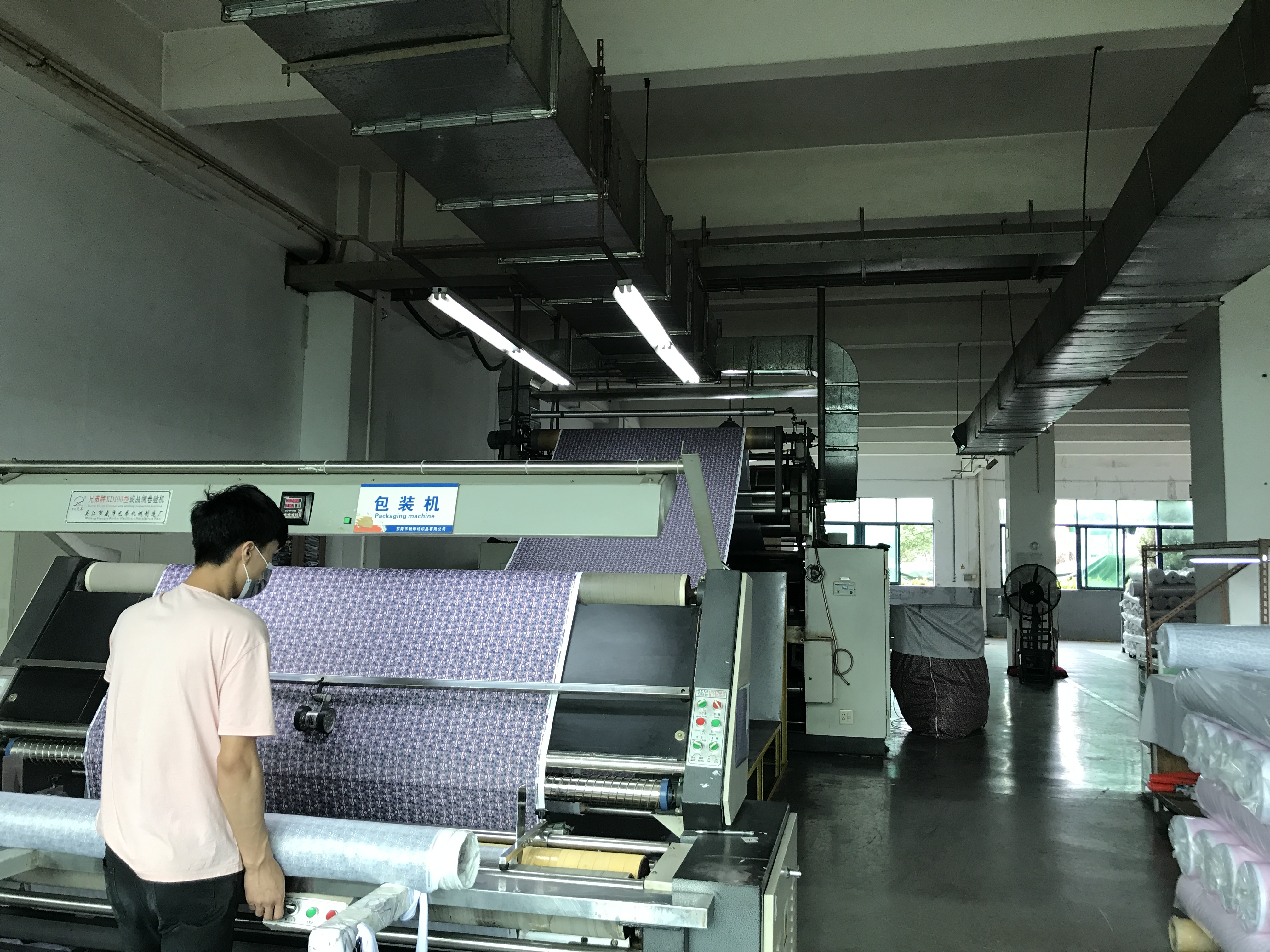
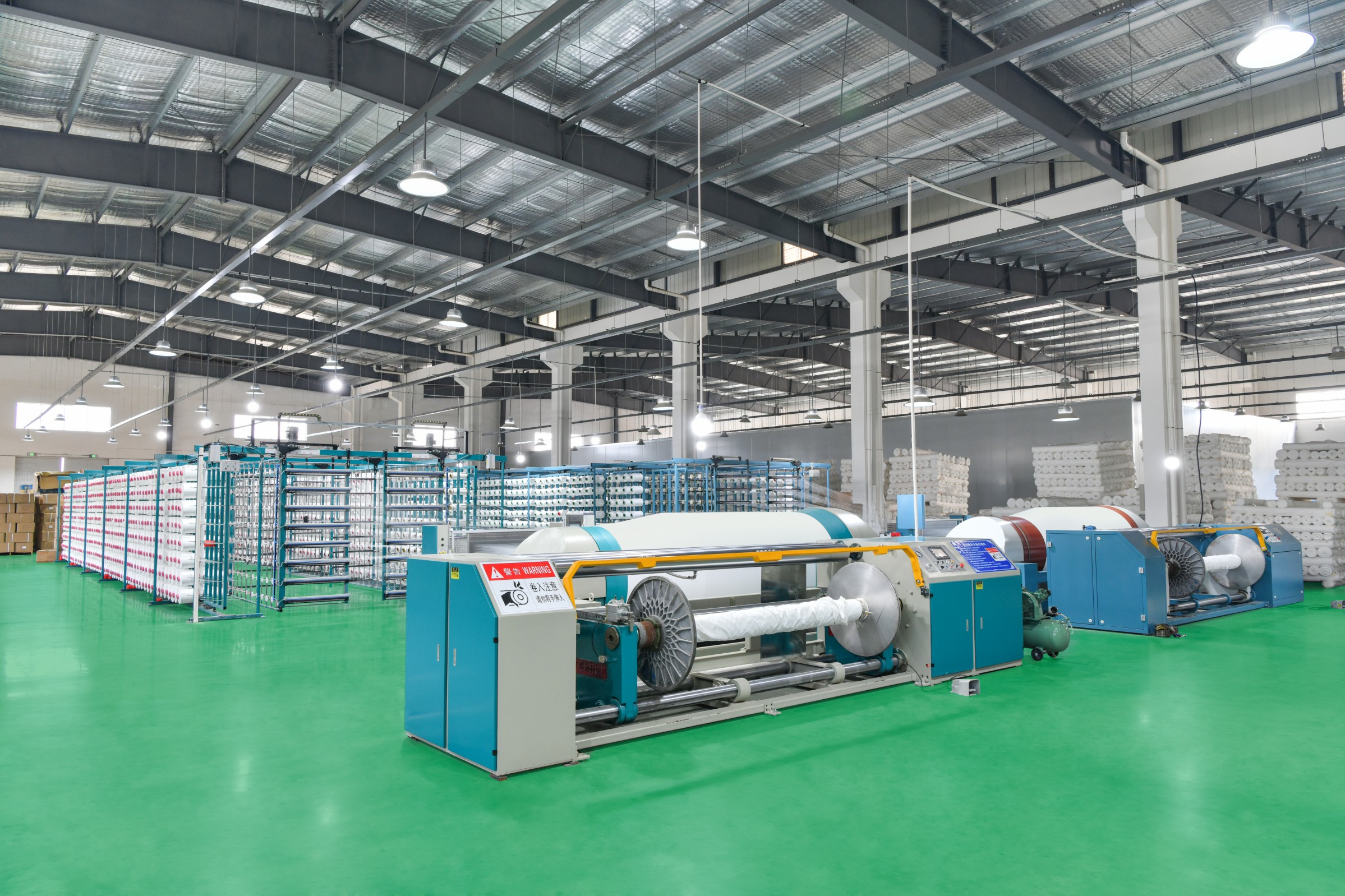
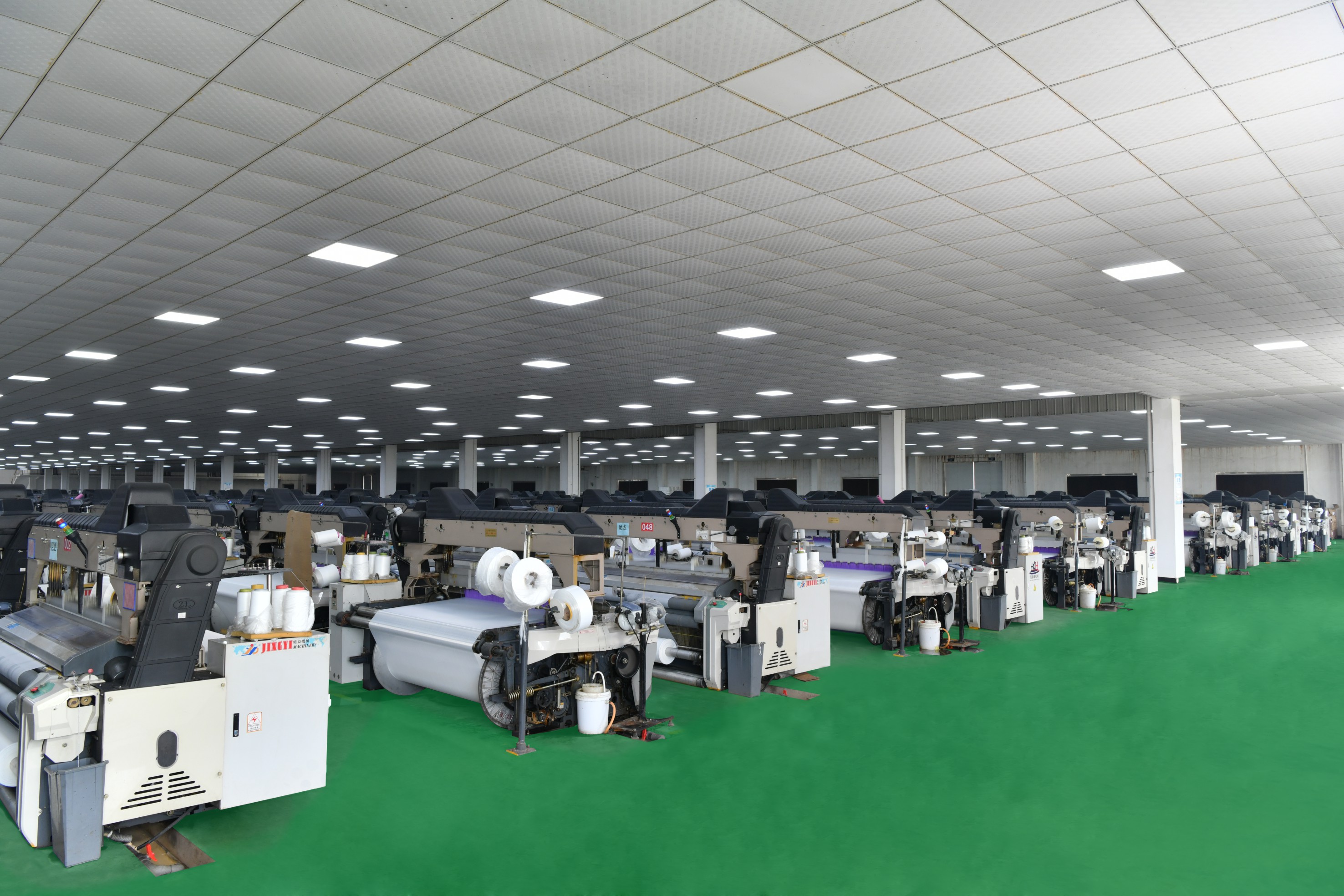
Fabric production process from weaving to printing are done by our own factories.
Product details


 简体中文
简体中文


