Item No:YW-DX-202410025
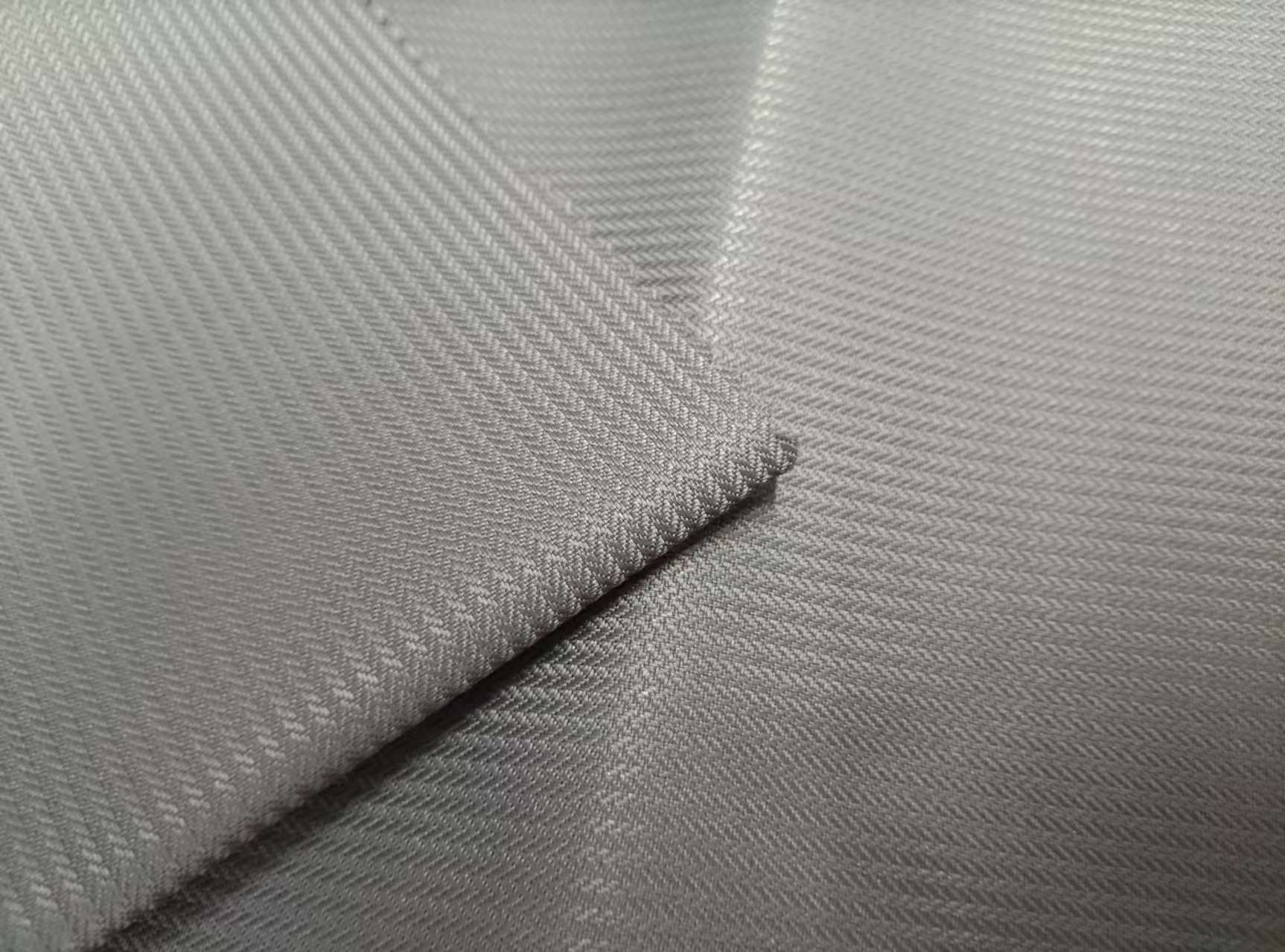
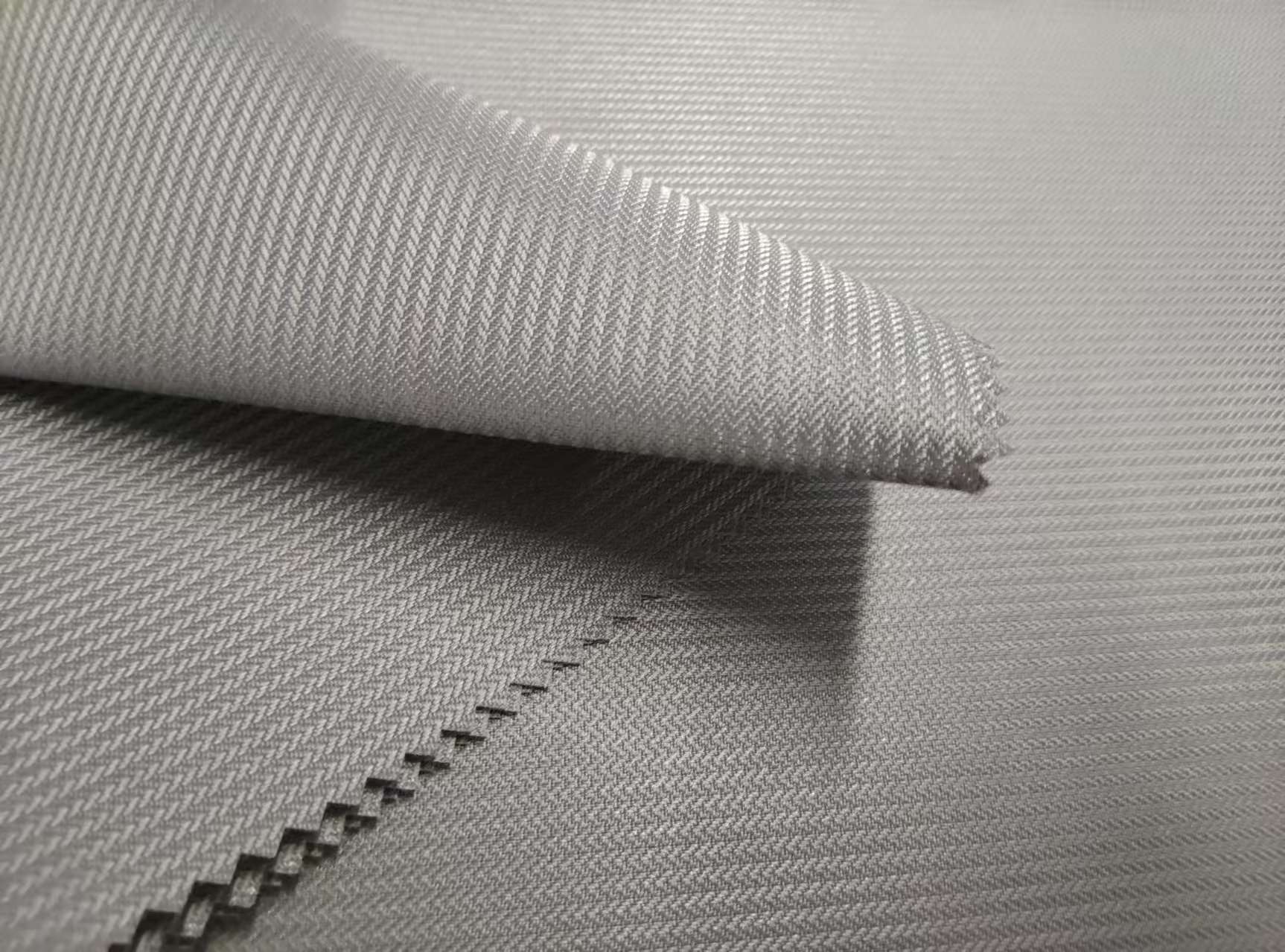
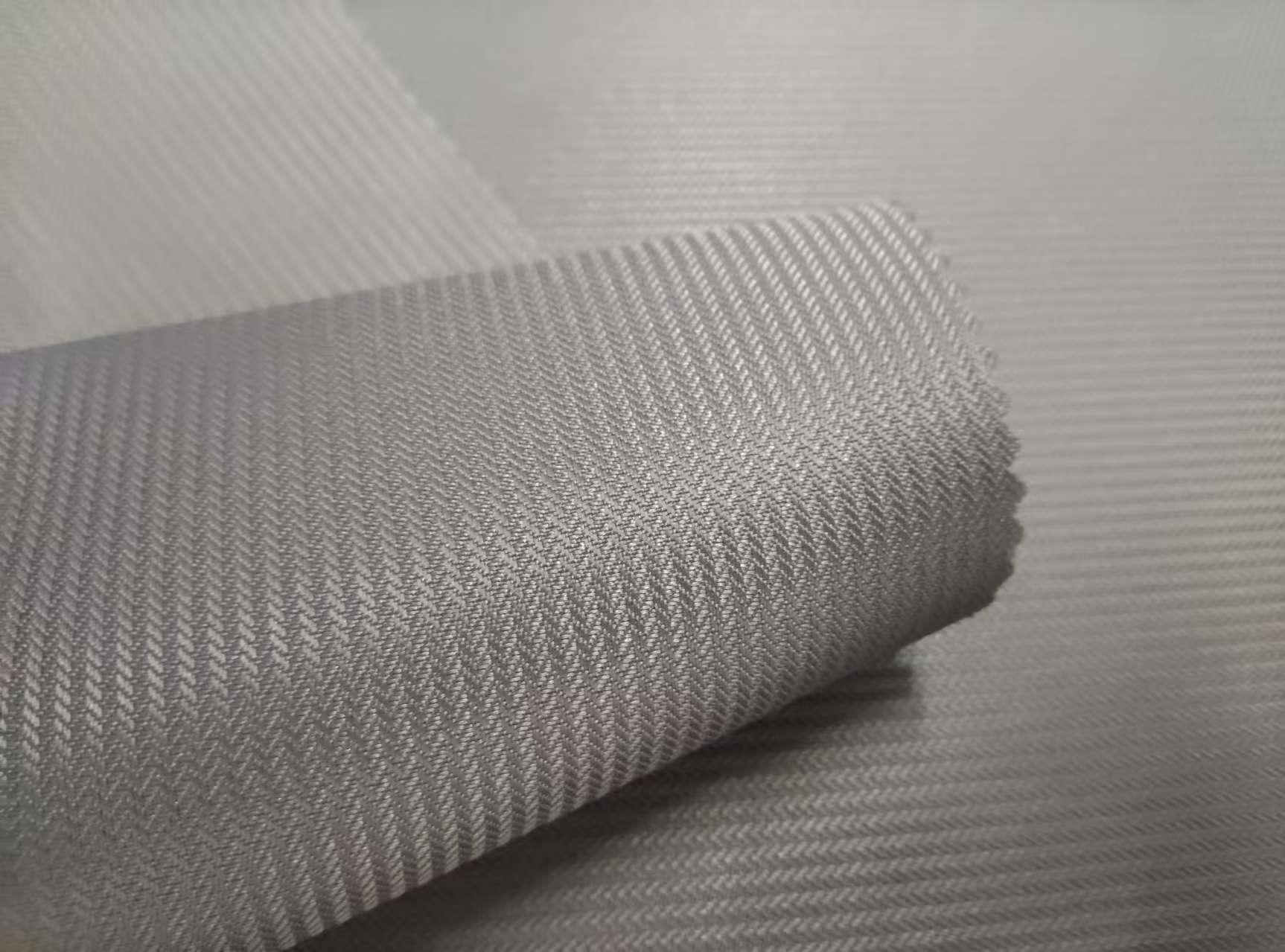
Product name:RPET150D polyester lines dobby
Component: 100% polyester
Spec: 150D*150D
Width: 148/cm
Weight:126/g/m2
Finishing: PU2+COWaterproof
Use:bags,backpacks,suitcase
1. Definition and Composition
RPET150D Polyester Lines Dobby is a fabric that combines the characteristics of recycled polyester (RPET) and a unique dobby weave pattern with distinct polyester lines.
The "RPET" part indicates that the polyester used in this fabric is recycled. It's sourced from post - consumer waste such as plastic bottles. By using recycled polyester, this fabric is an environmentally - friendly option as it helps reduce the amount of plastic waste in landfills and the need for virgin polyester production, which is usually derived from non - renewable petroleum resources.
The "150D" refers to the denier of the polyester. Denier is a unit that measures the linear mass density of a fiber. A 150 - denier polyester fiber is relatively fine. It gives the fabric a balance between strength and a lightweight feel.
2. Dobby Weave and Polyester Lines
The "dobby" in the fabric's name refers to a weaving technique. Dobby looms are used to create complex and decorative patterns. In the case of RPET150D Polyester Lines Dobby, the dobby weave is responsible for the formation of the polyester lines.
These lines are a prominent feature of the fabric. They can vary in width, spacing, and design. The lines might be arranged in geometric patterns such as squares, rectangles, or in more organic and flowing designs. The dobby weave allows for precise control over the placement of these lines, creating an aesthetically pleasing and textured appearance.
3. Properties
• Strength and Durability: Despite the relatively fine 150D fiber, the fabric is quite durable. The polyester material itself is known for its strength, and the dobby weave structure further enhances the fabric's ability to withstand wear and tear. It can hold up well under normal use conditions, such as in clothing that is frequently washed and worn or in home furnishings that are subject to daily use.
• Texture: The fabric has an interesting texture due to the dobby - woven polyester lines. When you touch the fabric, you can feel the raised lines, which add a tactile dimension. This texture not only makes the fabric more interesting to the touch but also gives it a unique visual appeal.
• Aesthetic Appeal: The combination of the recycled polyester base and the decorative lines created by the dobby weave makes the fabric visually appealing. The lines can add a sense of elegance, formality, or playfulness, depending on their design. It can be used to create clothing with a sophisticated or trendy look, or to make home decor items that enhance the aesthetic of a room.
• Breathability and Comfort: Polyester generally has some level of breathability, and this fabric is no exception. It allows air to circulate through it, which is beneficial for comfort when used in clothing. In home applications, such as curtains or cushion covers, it can also contribute to a more pleasant indoor environment.
4. Applications
▪ Casual Clothing: It's great for making casual tops like blouses and T - shirts. The polyester lines can add a stylish touch to a simple design. For example, a summer blouse made from RPET150D Polyester Lines Dobby can have a light and airy feel, with the lines providing a bit of visual interest.
▪ Formal Attire: The fabric can also be used in formal wear. A suit jacket or a dress made with this fabric can have an elegant and refined appearance. The lines can give the impression of a more tailored and high - quality garment.
▪ Curtains: The fabric's breathability and aesthetic appeal make it a suitable choice for curtains. The polyester lines can create a beautiful pattern when the light shines through, adding a decorative element to any room.
▪ Cushion Covers: Cushion covers made from this fabric can transform the look of a sofa or a chair. The texture and pattern of the fabric can make the cushions stand out and add a touch of luxury to the furniture.
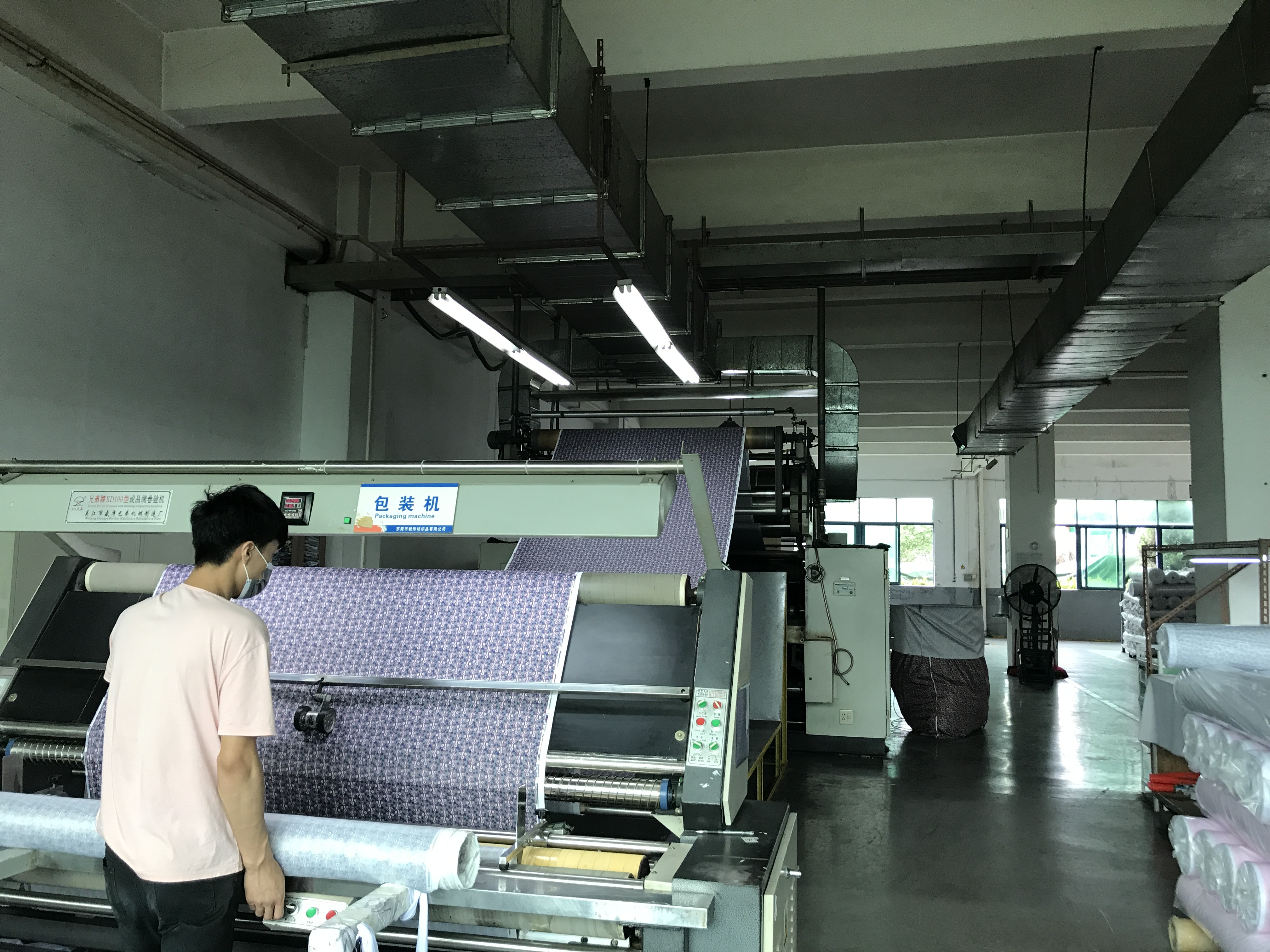
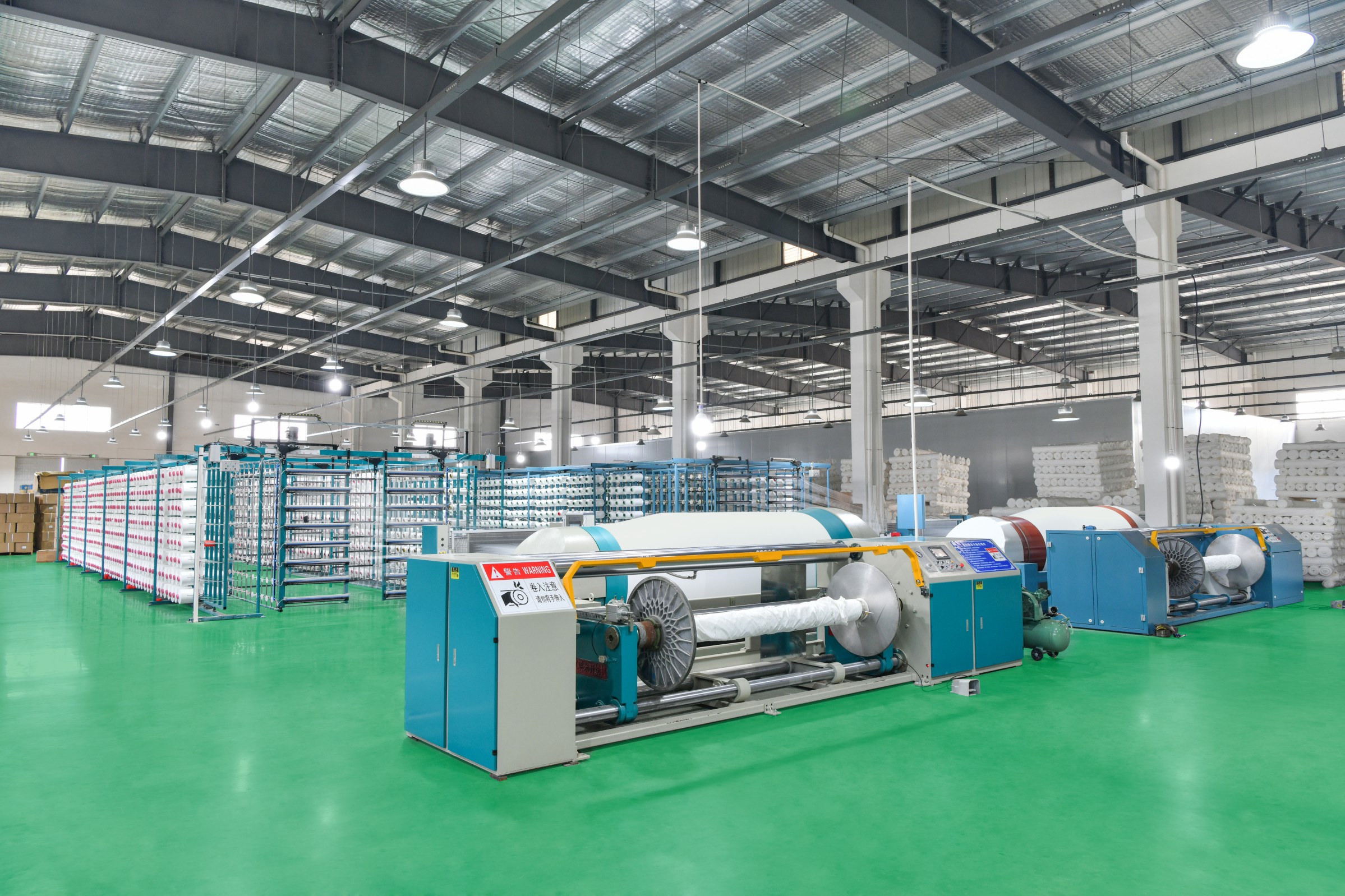
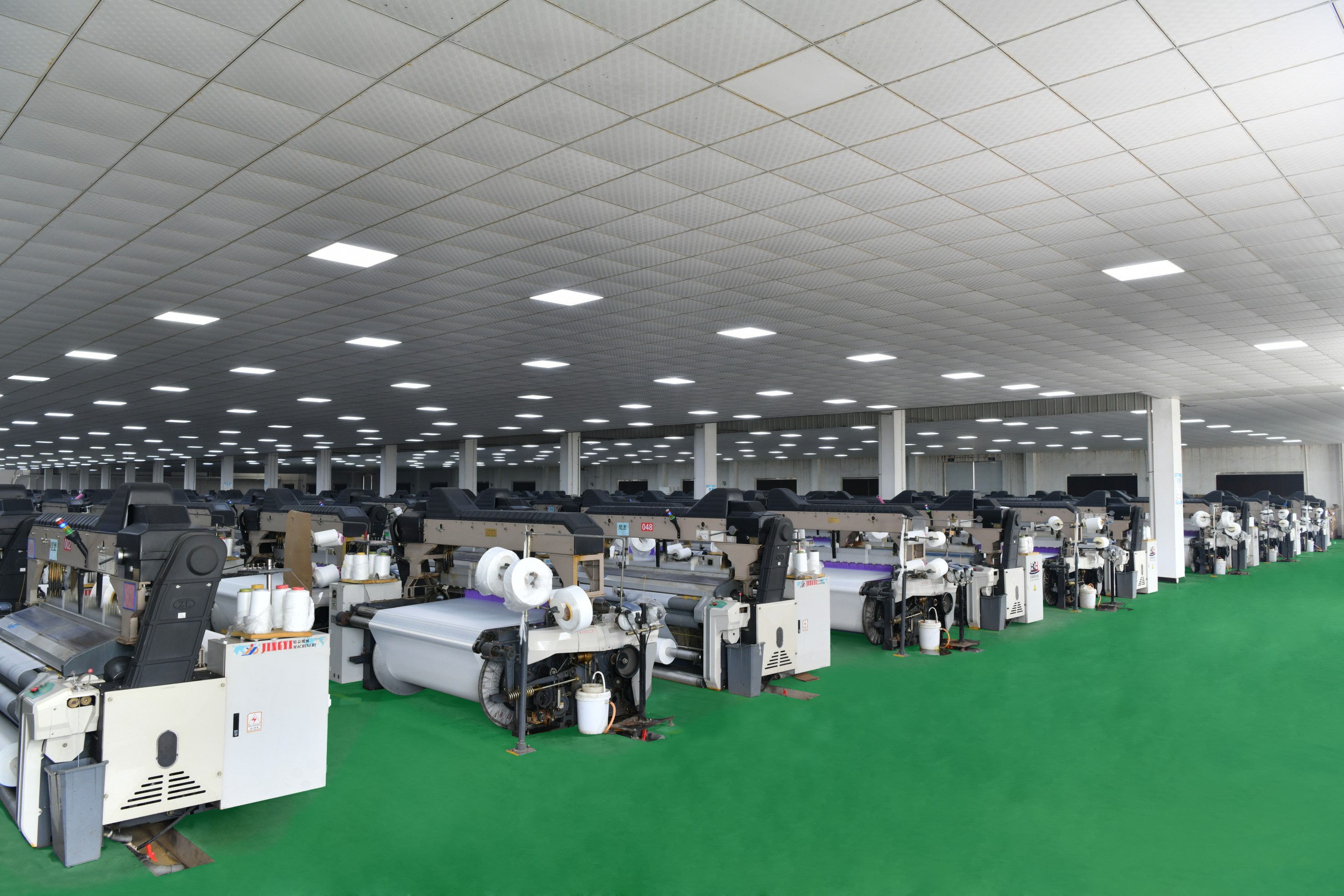
Fabric production process from weaving to printing are done by our own factories.
Product details


 简体中文
简体中文