
- All
- Product Name
- Product Keyword
- Product Model
- Product Summary
- Product Description
- Multi Field Search
Views: 0 Author: Site Editor Publish Time: 2025-06-17 Origin: Site

Choosing the right fabric for luggage can make or break your travel experience. With so many options available, how do you know which one is best?
In this post, we’ll explore the various fabrics used in luggage and how they affect durability, weight, and functionality. You’ll learn which materials offer the best protection for your belongings.
Now that we’ve covered some important factors, let's dive into how you can decide which fabric is right for your luggage. Choosing the right luggage fabric is a balance between personal preference, travel needs, and budget.
Before making a decision, it’s essential to think about your travel habits. For frequent business travelers, a suitcase made from polycarbonate or leather may be more appropriate due to its durability, sleekness, and professionalism. Polycarbonate offers a more affordable option with excellent protection for fragile business items. Leather, while a premium choice, offers a more luxurious look and feel.
For those who prefer leisure travel or long vacations, soft-sided luggage made of polyester or nylon may be the better option. These fabrics offer flexibility, making them easier to store and fit in smaller spaces. Soft-sided luggage is also expandable, so you can pack more for longer trips, which is perfect for leisure travel where you need extra space for souvenirs or additional items.
Understanding how much wear and tear your luggage will experience is crucial. If your suitcase will be thrown around during international flights or checked-in multiple times, you’ll need a durable fabric that can withstand harsh conditions. Polycarbonate luggage is highly durable, offering protection against impacts and scratches. Similarly, ballistic nylon can handle heavy use and is resistant to abrasions, making it ideal for frequent travelers who don’t mind a little extra weight.
For light-duty use, like weekend getaways or trips where your luggage won't undergo rough handling, polyester or nylon are great choices. They’re less expensive and still offer good durability for less intense conditions. Leather, while luxurious, may not be as practical for those who need luggage that can endure frequent, tough handling.
Luggage fabric varies greatly in price, so it’s important to assess your budget when selecting the material. Premium materials like leather and polycarbonate are high-quality but come with a higher price tag. Leather, in particular, can be very expensive, though it offers the durability and timeless appeal that many travelers love. Polycarbonate offers a good balance between price and durability, especially for hard-shell luggage.
For budget-conscious travelers, materials like polyester and ABS offer a more affordable option without sacrificing too much in terms of durability. Polyester is lightweight, durable, and resistant to wear, while ABS is commonly used for budget luggage, offering a rigid structure that can withstand impact. If you're planning a short-term trip or don't require a long-lasting suitcase, these materials can be a great option.
Sustainability is becoming increasingly important when selecting any product, including luggage. Fabrics like recycled polyester and nylon are gaining popularity as eco-friendly alternatives to traditional fabrics. Recycled polyester is made from post-consumer plastic bottles, making it a great option for environmentally-conscious travelers. By choosing these fabrics, you’re helping to reduce plastic waste while still enjoying durable, lightweight luggage.
Leather, while durable and timeless, has a higher environmental impact due to the tanning process and the use of animal hides. However, there are synthetic leather alternatives like PVC and PU leather, which offer a similar aesthetic without the ethical concerns. If sustainability is important to you, make sure to choose luggage made from recycled or sustainable materials to lessen your carbon footprint.
Let’s take a deeper dive into the various fabrics commonly used in luggage construction. Each material comes with its own strengths and weaknesses, and understanding them can help you find the best fabric for your needs.
Polycarbonate is one of the most popular hard-shell luggage materials. It’s lightweight, highly durable, and resistant to impacts, making it an excellent choice for frequent flyers who need a suitcase that can withstand the bumps and bruises of travel. It’s also highly flexible, meaning it can recover from dents and scratches over time.
Polycarbonate luggage tends to be on the more expensive side, but the cost is justified by its strength and longevity. It offers superior protection for fragile items like electronics, glassware, and other delicate belongings. Polycarbonate is also resistant to UV rays, which helps prevent fading over time.
Advantages:
Lightweight
Durable and impact-resistant
Flexible and resistant to cracking
Disadvantages:
More expensive than other materials
Can be prone to scratches
ABS is commonly used in budget-friendly luggage. It’s lighter than polycarbonate, making it easier to carry, but it’s not as durable. ABS luggage can be more prone to cracking under pressure or impact, making it less suitable for heavy travelers. However, it’s still a solid option for occasional travelers who don’t need extreme durability.
ABS is often used for hard-shell luggage, offering a sturdy frame and a sleek appearance. It’s also more affordable than polycarbonate, which makes it a great choice for those on a budget.
Advantages:
Affordable
Lightweight
Rigid structure
Disadvantages:
Less durable than polycarbonate
More likely to crack under impact
Ballistic nylon is a heavy-duty fabric originally developed for military gear. It’s known for its incredible durability, abrasion resistance, and ability to handle rough conditions. Ballistic nylon is often used for soft-sided luggage, such as duffel bags, backpacks, and briefcases, as it offers both flexibility and protection.
This material is resistant to tears and abrasions, making it ideal for luggage that will undergo heavy handling. It’s also resistant to water and UV rays, though it can be heavy compared to other fabrics.
Advantages:
Highly durable
Abrasion-resistant
Water-resistant
Disadvantages:
Can be heavy
More expensive than standard nylon
Cordura nylon is another highly durable fabric commonly used in luggage construction. It’s slightly lighter than ballistic nylon but still offers exceptional resistance to abrasion and tears. Cordura is often used for soft-sided luggage, including travel bags and backpacks. It's designed for long-term durability, making it an excellent choice for frequent travelers.
Cordura is also highly resistant to UV rays, meaning your luggage will maintain its color and texture for longer periods of time. It’s also water-resistant, but it may not provide the same level of water protection as polyester or nylon.
Advantages:
Lightweight yet durable
Excellent resistance to abrasion and tearing
UV and water-resistant
Disadvantages:
Can be expensive
Not as widely available as ballistic nylon
Polyester is one of the most affordable and widely used materials in luggage construction. It’s lightweight, durable, and resistant to wear and tear. While it doesn’t offer the same level of durability as ballistic nylon or polycarbonate, it’s still a great choice for budget travelers who want lightweight luggage without sacrificing quality.
Polyester is also highly flexible, making it ideal for soft-sided luggage. Many suitcases and bags made from polyester come with expandable features, giving you extra packing space when you need it.
Advantages:
Affordable
Lightweight
Flexible and expandable
Disadvantages:
Less durable than other fabrics
Prone to fading and wear over time
Leather is the epitome of luxury when it comes to luggage. It’s durable, stylish, and ages beautifully over time. Leather luggage often features high-quality craftsmanship and is ideal for business travelers looking for a professional appearance. It’s also a great option for those who value craftsmanship and timeless style.
However, leather requires maintenance to keep it looking its best. It’s prone to scratching and can be damaged by water, so it needs to be treated regularly to maintain its appearance and functionality.
Advantages:
Timeless aesthetic
Durable and high-quality
Ages beautifully
Disadvantages:
Heavy
Expensive
Requires maintenance
Canvas is a durable and eco-friendly fabric used in many types of luggage. It’s often used for casual and outdoor bags, like duffels, backpacks, and tote bags. While canvas isn’t as water-resistant as nylon or polyester, it can be treated for water resistance. Canvas is also environmentally friendly, especially when made from organic cotton.
Advantages:
Eco-friendly
Durable and resistant to wear
Versatile
Disadvantages:
Not naturally water-resistant
Heavier than nylon and polyester
PVC is a synthetic leather alternative used in affordable and durable luggage. It provides a similar look and feel to real leather but at a fraction of the cost. PVC is also water-resistant and easy to clean, making it a practical option for travelers who want the appearance of leather without the price tag.
Advantages:
Affordable
Water-resistant
Durable
Disadvantages:
Not as breathable as leather
Less aesthetically pleasing than real leather
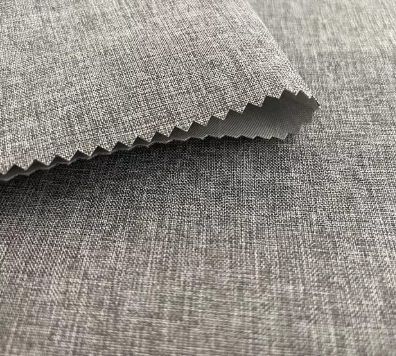
Choosing the right fabric for your luggage is crucial for a smooth travel experience. The right fabric affects durability, weight, flexibility, and protection. It can make a huge difference in how your luggage holds up on your journey.
We’d love to hear about your experiences with different luggage fabrics. Feel free to share your thoughts or ask any questions in the comments below.
1. What is the most durable fabric for luggage?
Polycarbonate and ballistic nylon are among the most durable fabrics for luggage, offering excellent protection and long-lasting use.
2. Is nylon or polyester better for luggage?
Nylon is more durable and abrasion-resistant than polyester, making it a better choice for frequent travelers. Polyester is more affordable and lightweight.
3. Can I use leather luggage for frequent travel?
Leather is durable and stylish but requires regular maintenance. It can be heavy and less practical for frequent travel compared to lighter fabrics like nylon or polyester.
4. What are the best fabrics for water-resistant luggage?
Polyester and nylon are great options for water-resistant luggage. They can handle moisture better than other materials, keeping your belongings dry.
5. How do I choose the right fabric for my luggage?
Consider factors like your travel style, luggage durability needs, weight, and budget. Soft-sided luggage with nylon or polyester works well for flexibility, while hard-shell options like polycarbonate are perfect for durability.

 简体中文
简体中文

